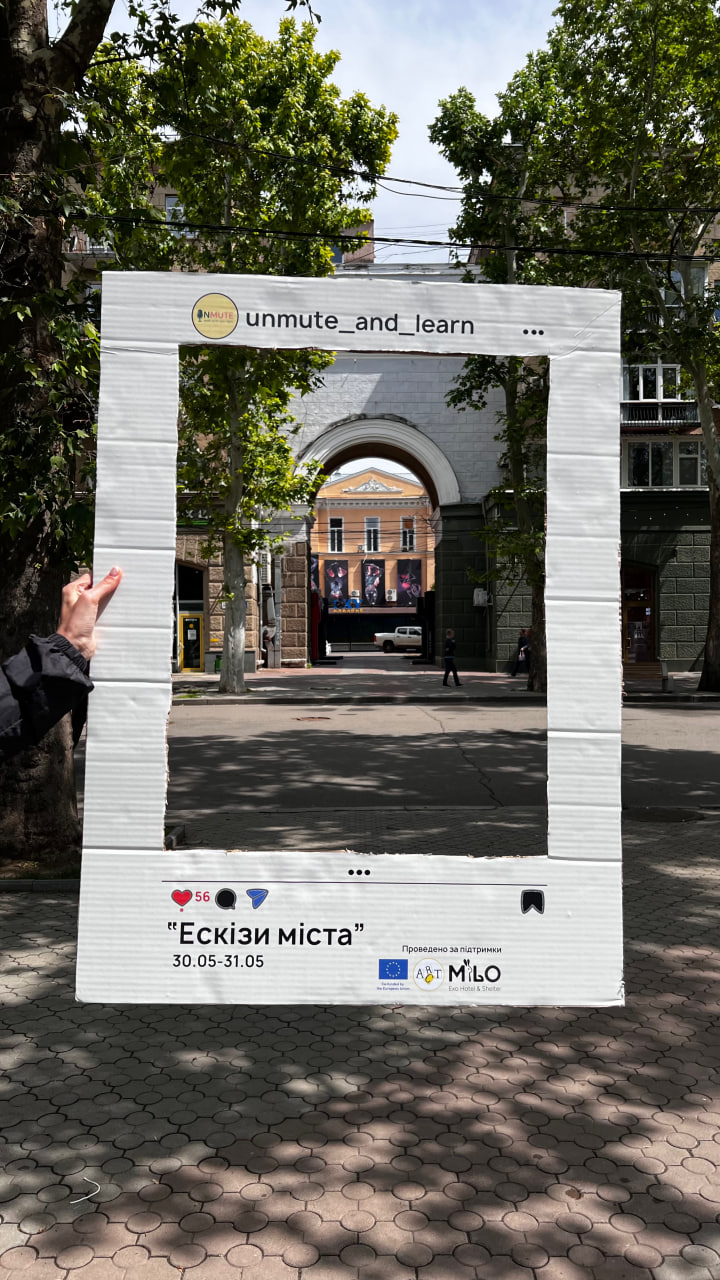

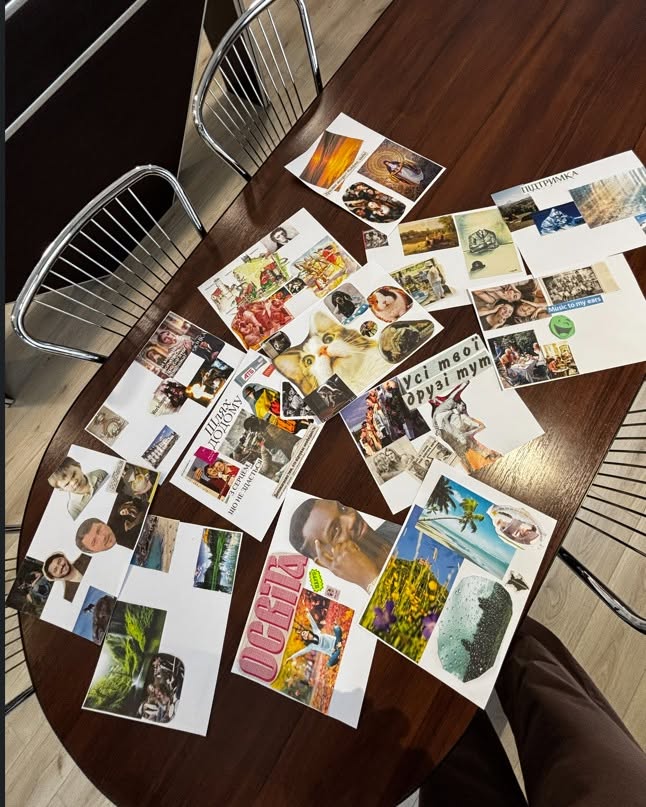
Fresh from the CivicArt Lab training, Lilia from the Kebetas Association didn’t wait long to put what they had learned into practice. Back to Ukraine, she organised two creative workshops for local youth — and the results spoke for themselves.
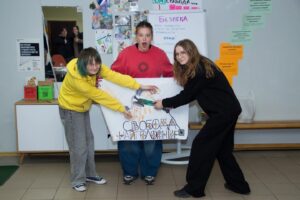
The first workshop centred on the theme of togetherness. Using local newspapers as raw material, participants created collaborative collages around one guiding question: where do we see unity in our community? What made the process remarkable was not just the art itself, but the way people worked — building on each other’s ideas, responding and complementing rather than creating in isolation. Through this simple format, genuine reflections emerged about mutual support, shared experiences, and facing common challenges together.
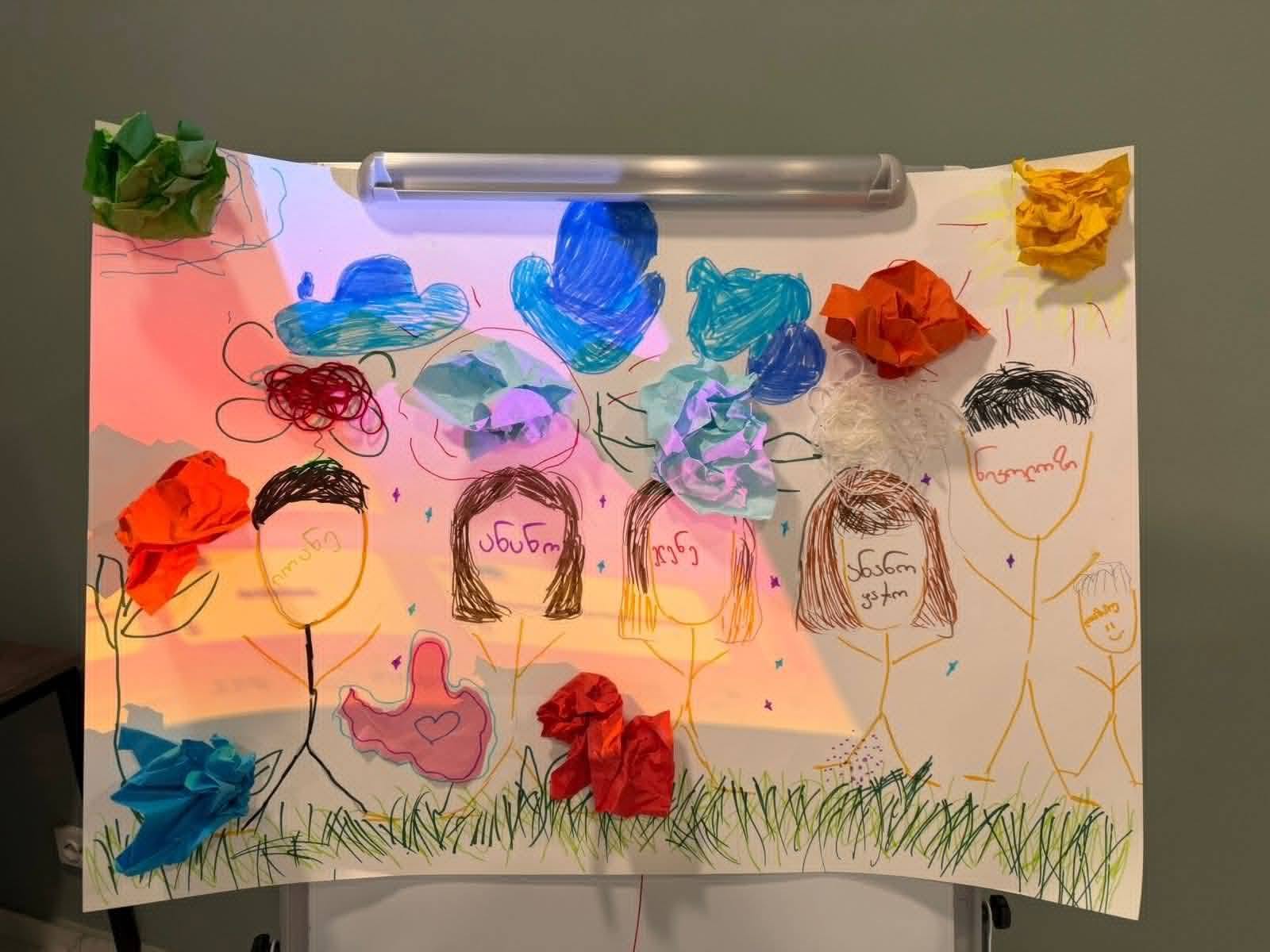
The second workshop shifted focus to safety and protection — what these concepts mean in everyday life and how young people experience them. Through games, drawing, and imaginative exercises, participants explored what truly matters to them and found the courage to talk about it openly.
Both events showed the same thing: art is not just a creative outlet. It is a space for honest dialogue, a way to surface voices that might otherwise go unheard, and a tool for building community strength — one collage, one drawing, one conversation at a time.
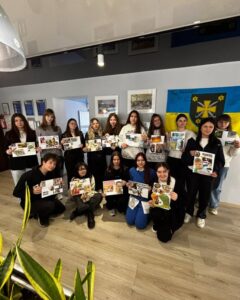
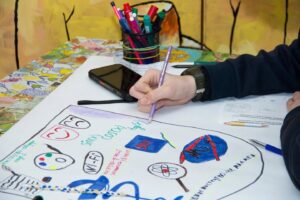
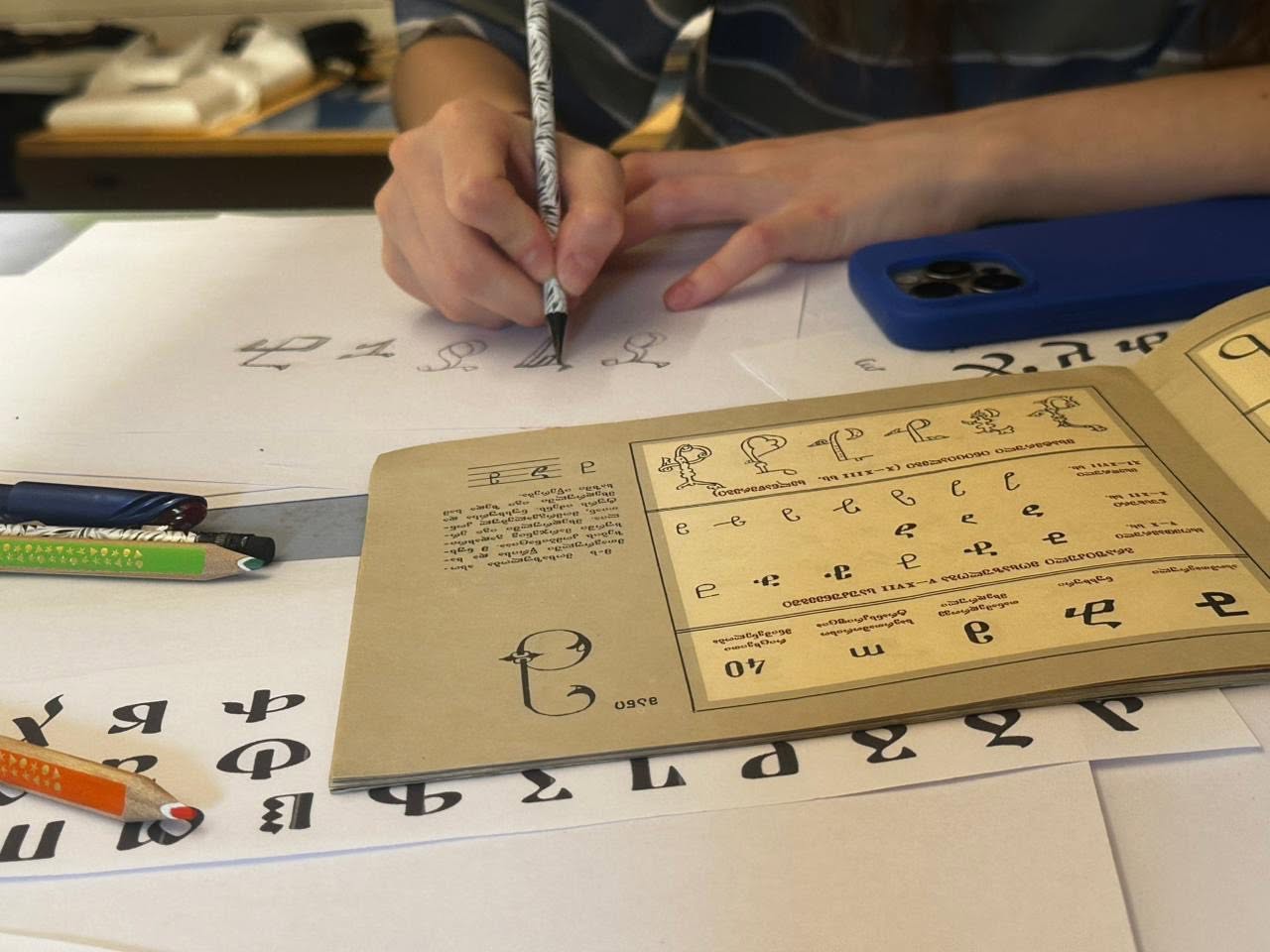
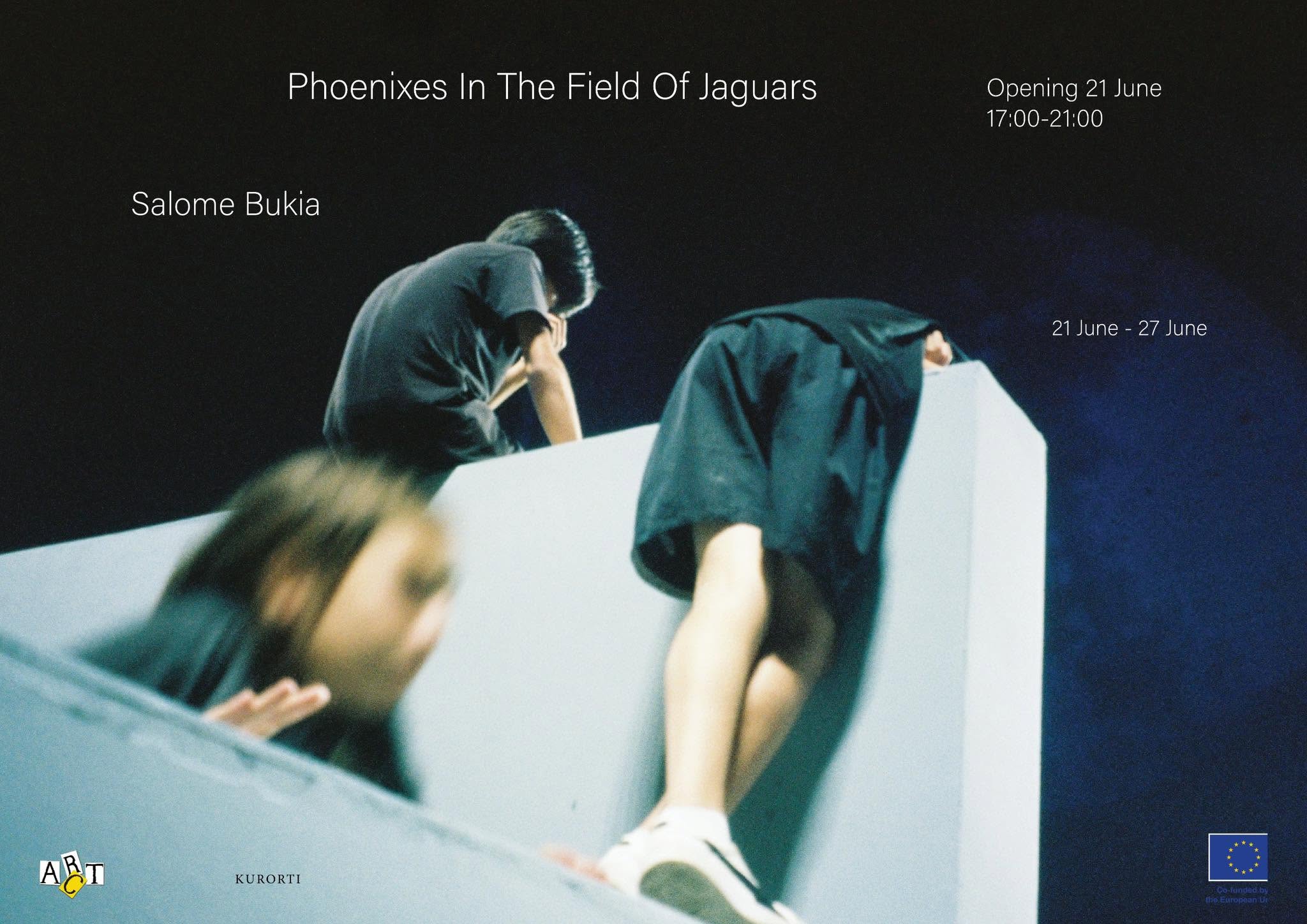
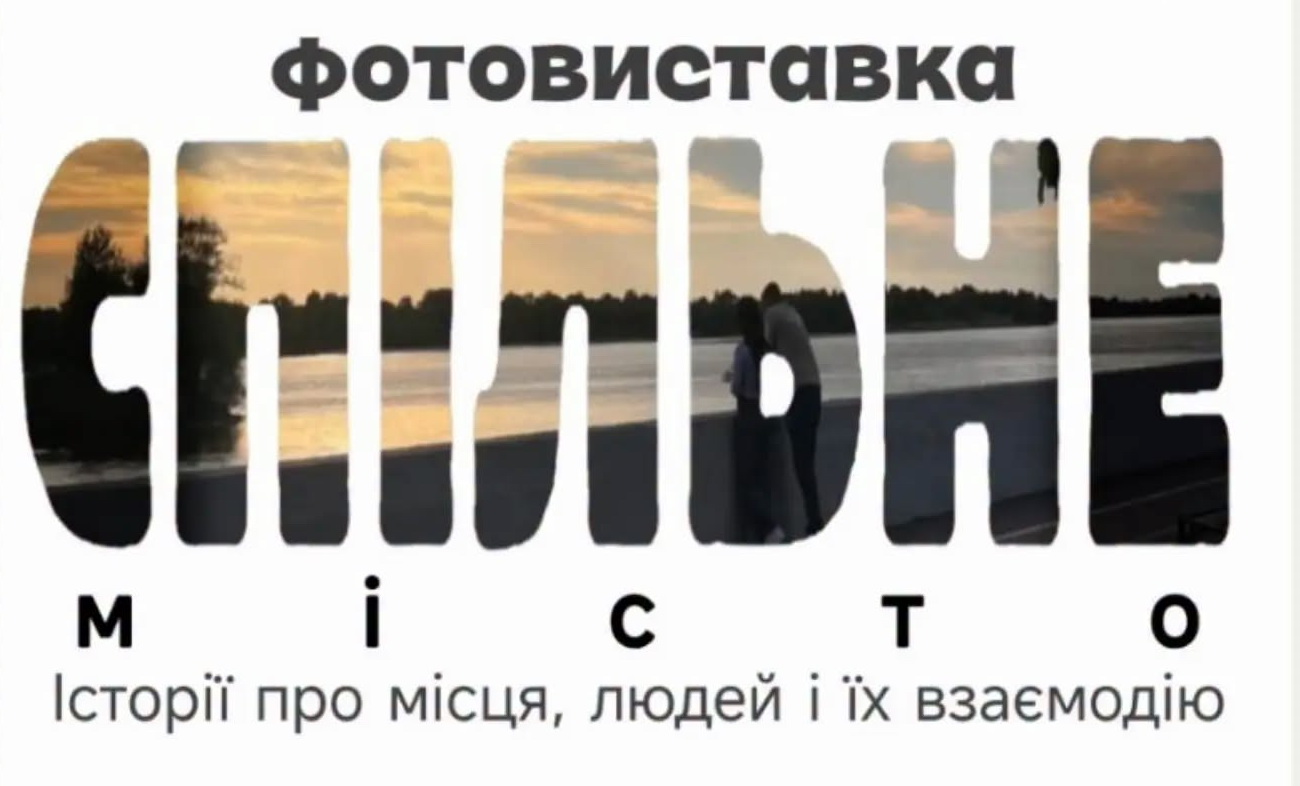
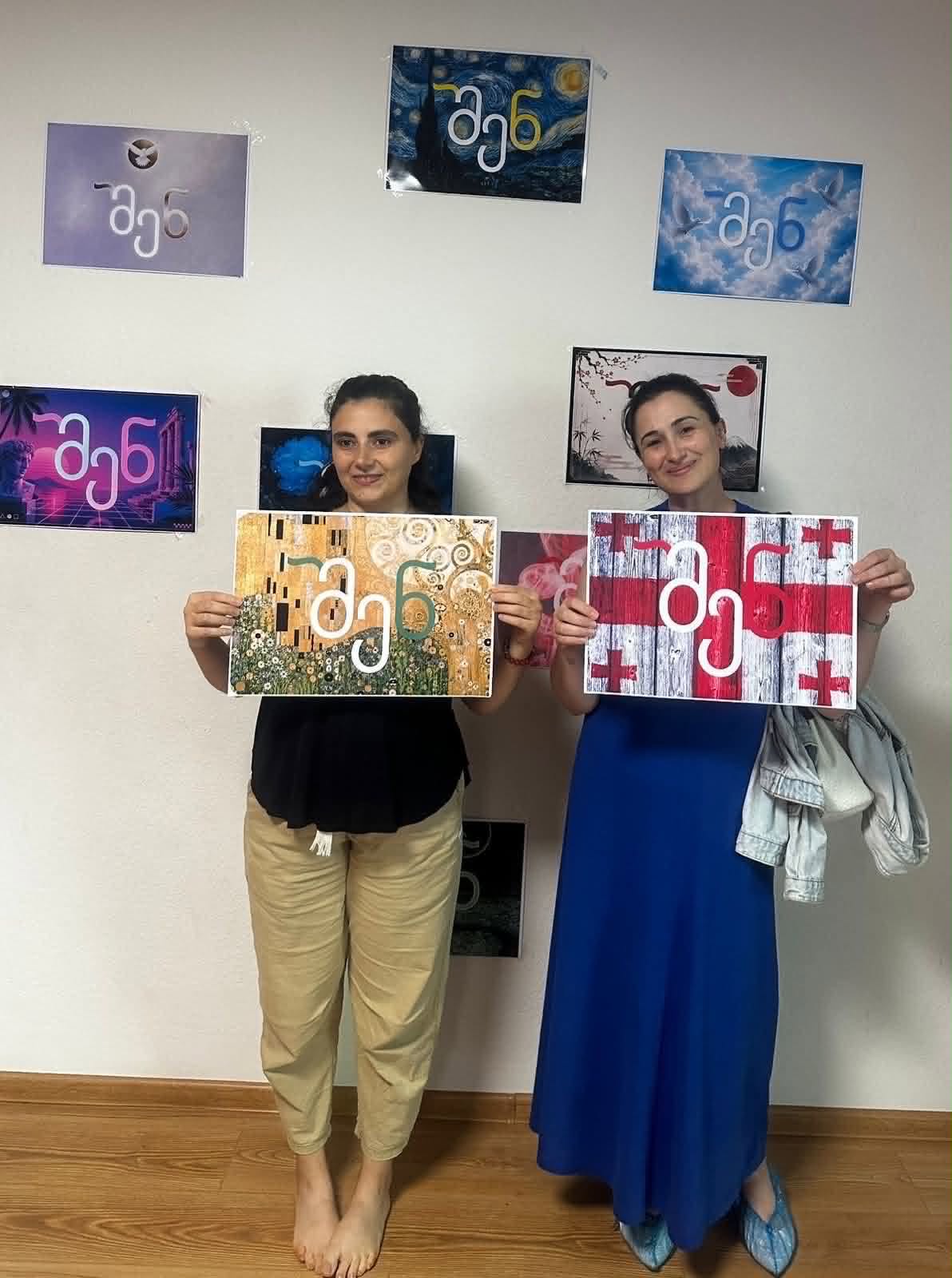
In February 2026, Alicante, Spain became the meeting point for 26 youth workers, artists, educators, and artivists from Ukraine and Georgia. For five intensive days,

The CivicArt project has published its first academic materials presenting experience and methodology of using art in youth civic education.

We are excited to release the CivicArt Methodology Guide — a practical, hands-on companion for youth workers, educators, artists and activists who connect civic learning

On September 12–13, 2025, the consortium partners gathered in Alicante, Spain, for an interim steering committee meeting. Representatives from Ukraine, Georgia, Germany, and Spain came

The CivicArt team has prepared a collection of good practices in artivism, which we invite you to explore in the CivicArt Library.

This block of activities is aimed at raising awareness of the role of art and artivism in the development of civic education, demonstrating successful examples of artivism, and inspiring the use of project products.
Co-funded by the European Union. Views and opinions expressed are however those of the author(s) only and do not necessarily reflect those of the European Union or the European Education and Culture Executive Agency. Neither the European Union nor the granting authority can be held responsible for them.
Accessibility
visibility_offDisable flashes
titleMark headings
settingsBackground Color
zoom_outZoom out
zoom_inZoom in
remove_circle_outlineDecrease font
add_circle_outlineIncrease font
spellcheckReadable font
brightness_highBright contrast
brightness_lowDark contrast
format_underlinedUnderline links
font_downloadMark links