


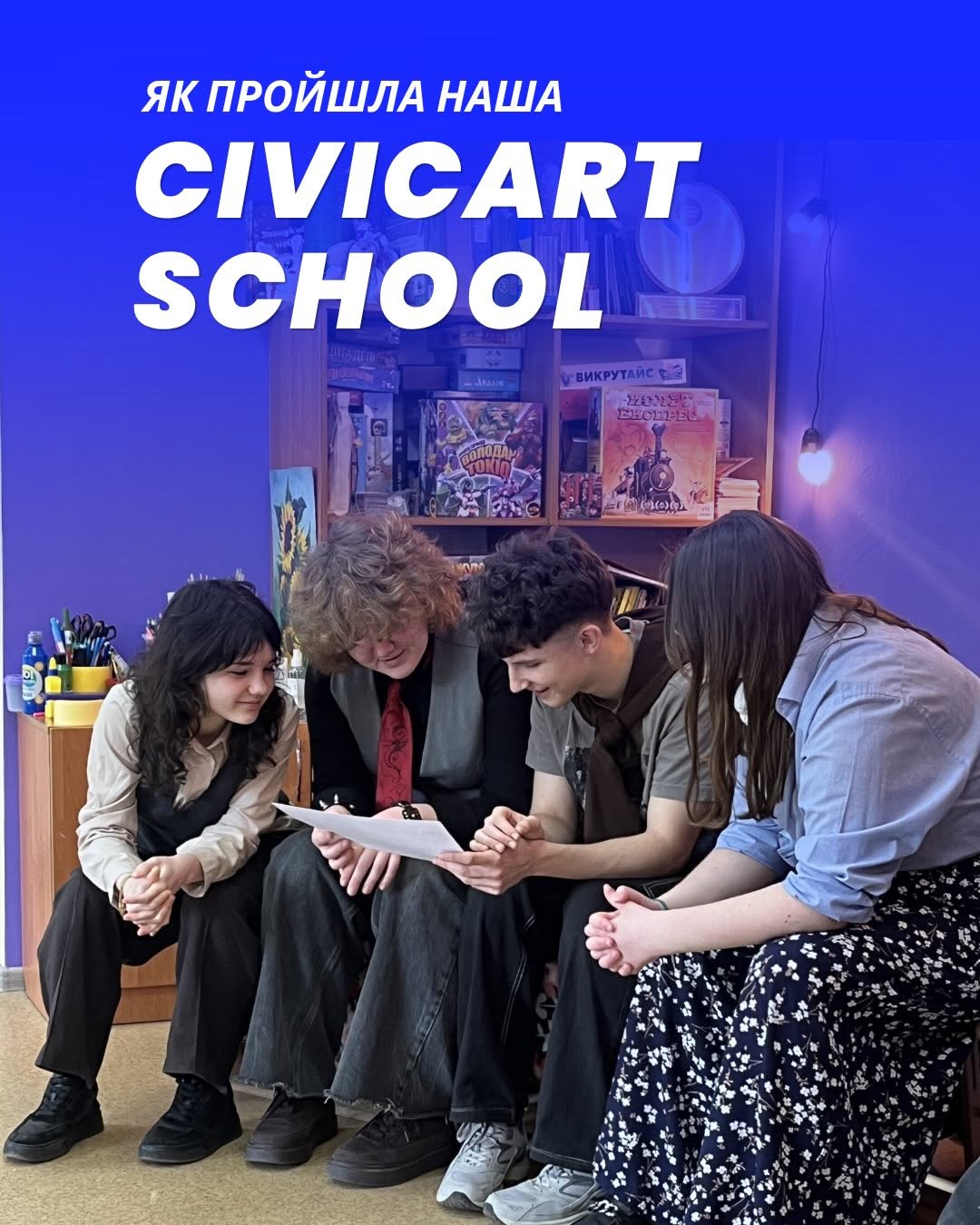
Twenty young people from the Zolotonosha community came together for a two-day training as part of the CivicArt Lab local initiatives, organised by the Youth Development Center. The event brought together volunteers from the youth centre to explore civic education through art and non-formal learning methods.
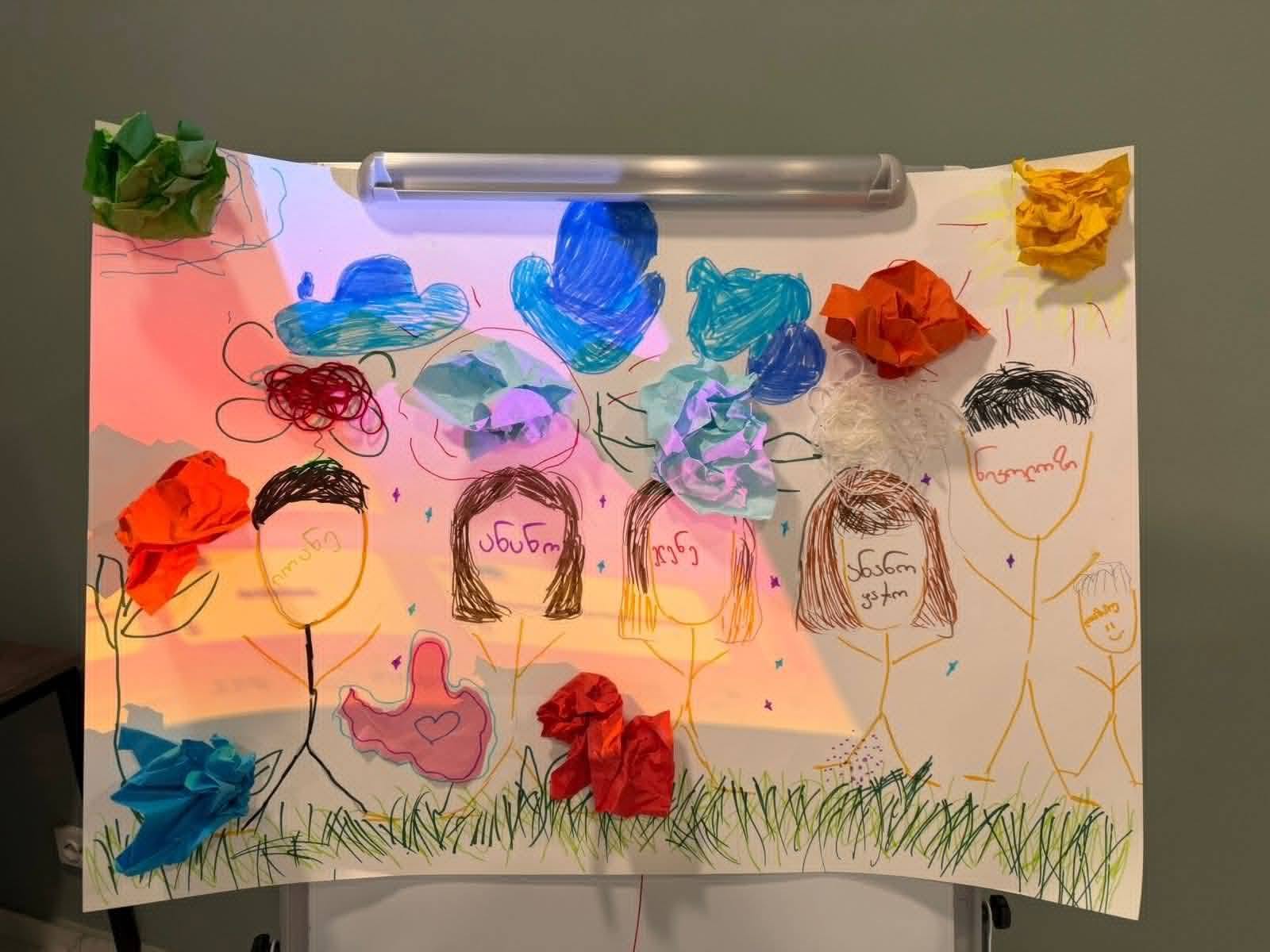
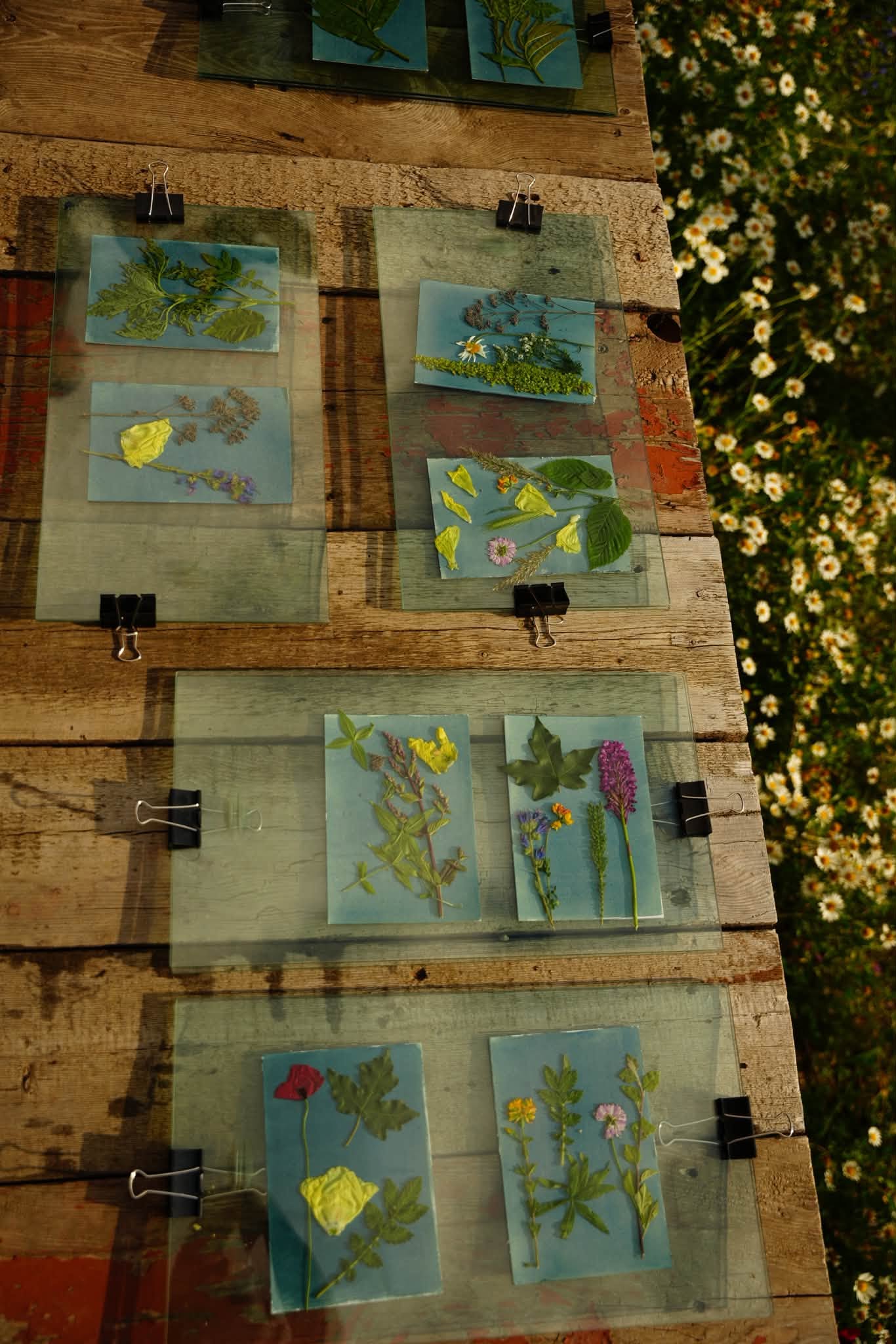
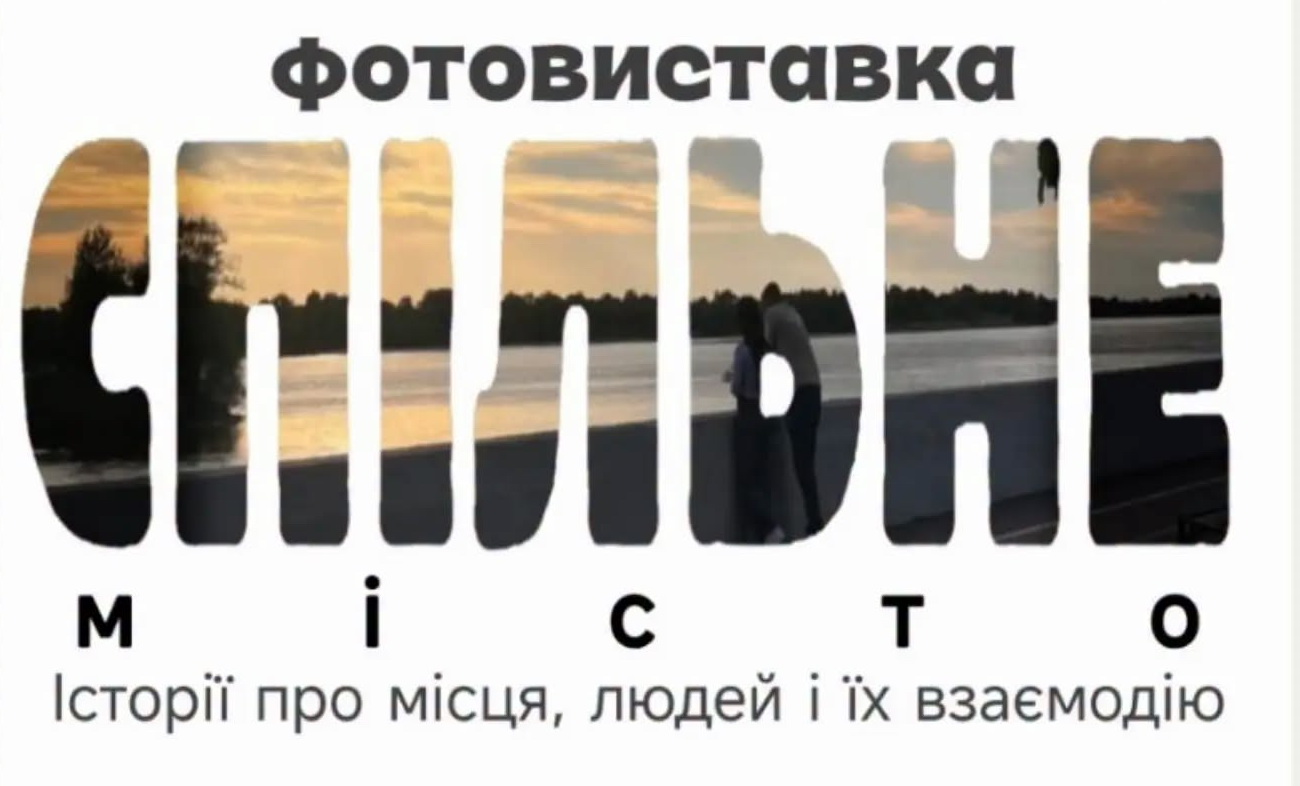
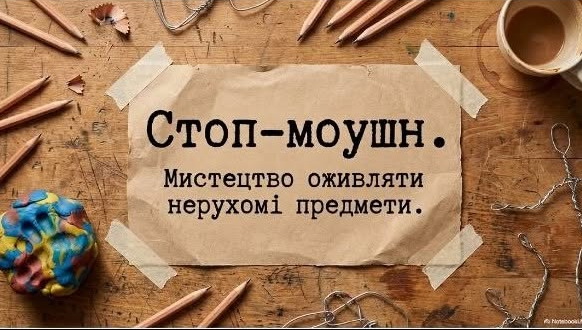
Over two days, participants worked with a range of creative tools: making collages on human rights themes, producing stop-motion videos about civic participation, running role-playing exercises and simulation games, and exploring photography as a way to reflect on safe spaces for dialogue and support. The programme moved from building awareness — understanding rights, discrimination, and how young people can influence change — to taking action, with teams developing their own mini-initiatives to implement in their schools. The best ideas received funding to make them happen.
One of the key takeaways that participants shared was that even a single person can drive change, especially when they understand their rights and know how to stand up for them. Art emerged not just as a creative outlet, but as a common language that helps people connect and find their community.
The training is a direct follow-up to CivicArt Lab for youth workers. The Zolotonosha event is one of the local activities multiplying those methods within Ukrainian communities.
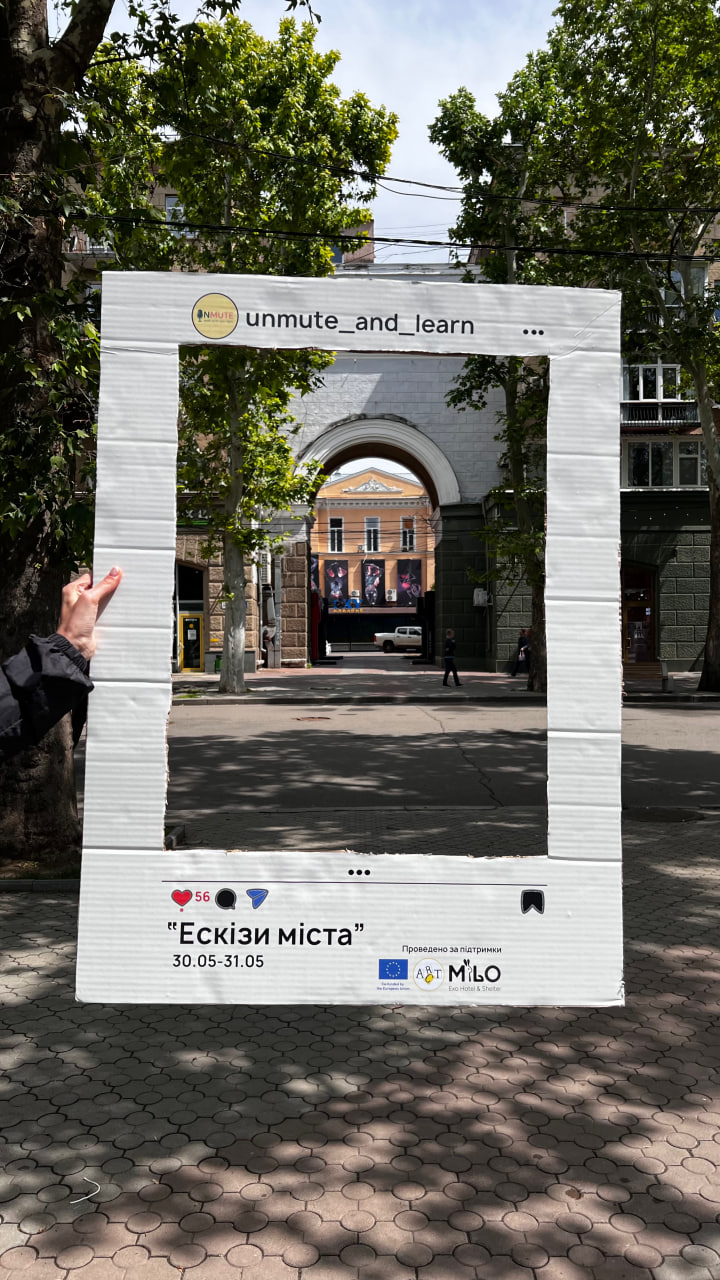
How can you feel the rhythm of a city and turn it into art? That’s the question UNMUTE set out to answer during two days