


What happens when you hand young people a camera, a piece of paper, or a stage — and ask them to talk about democracy, human rights, or what it means to belong? In Kremenchuk, the answer unfolded across ten creative-educational labs held between March and May 2026, as part of a local follow-up activity under Erasmus+ Youth.
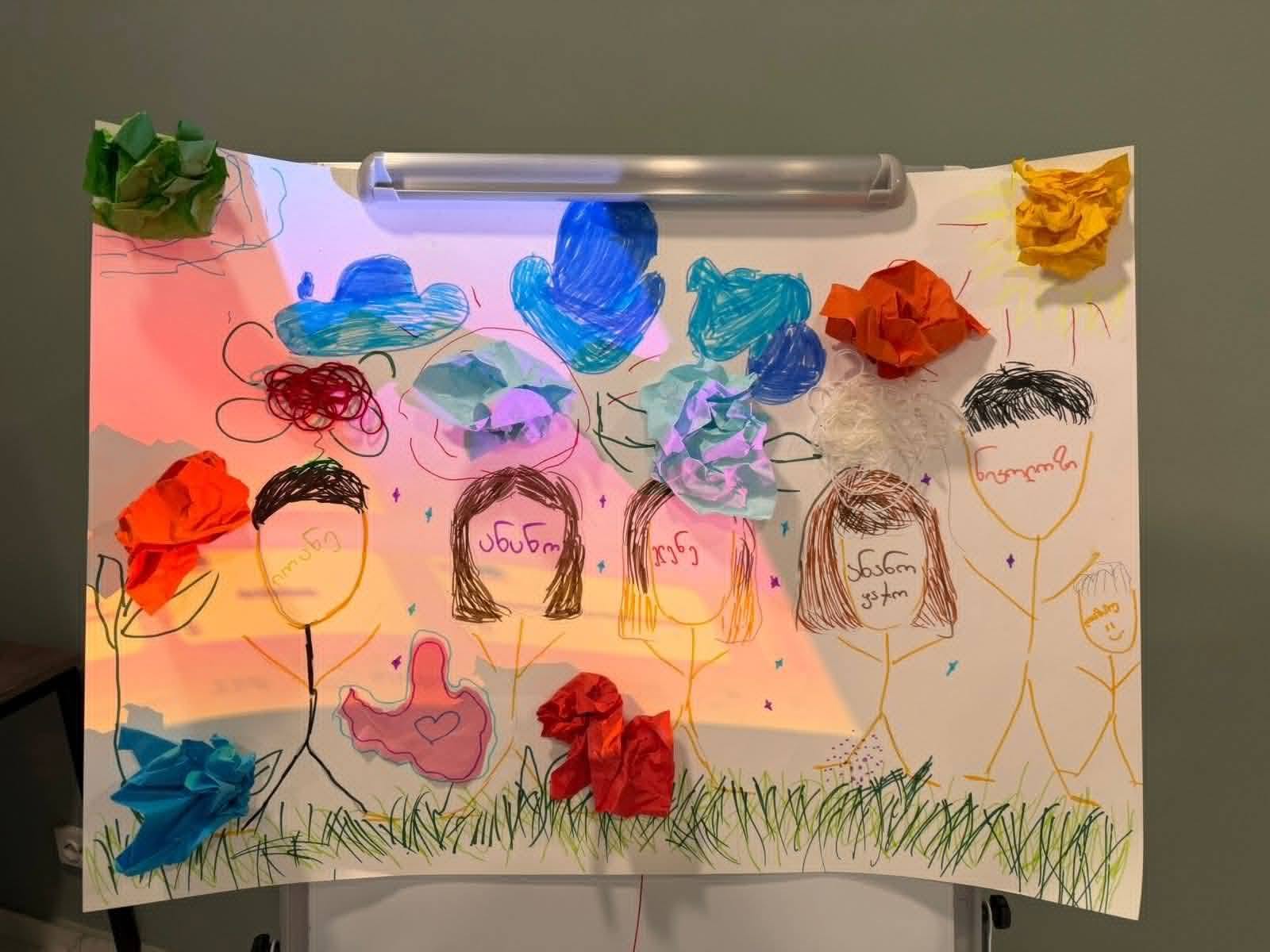
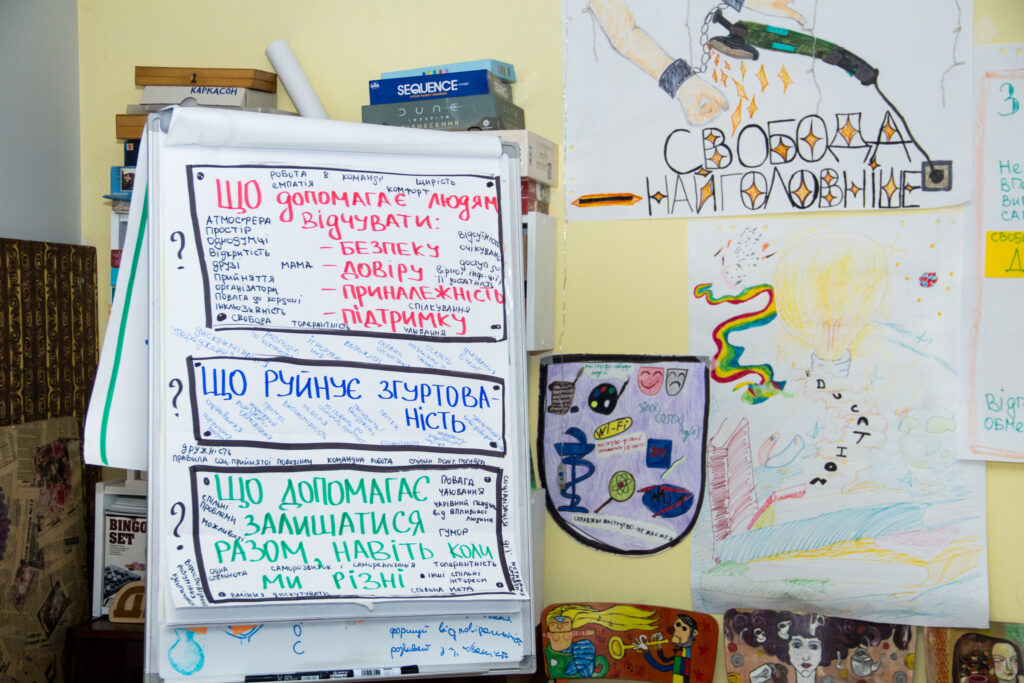
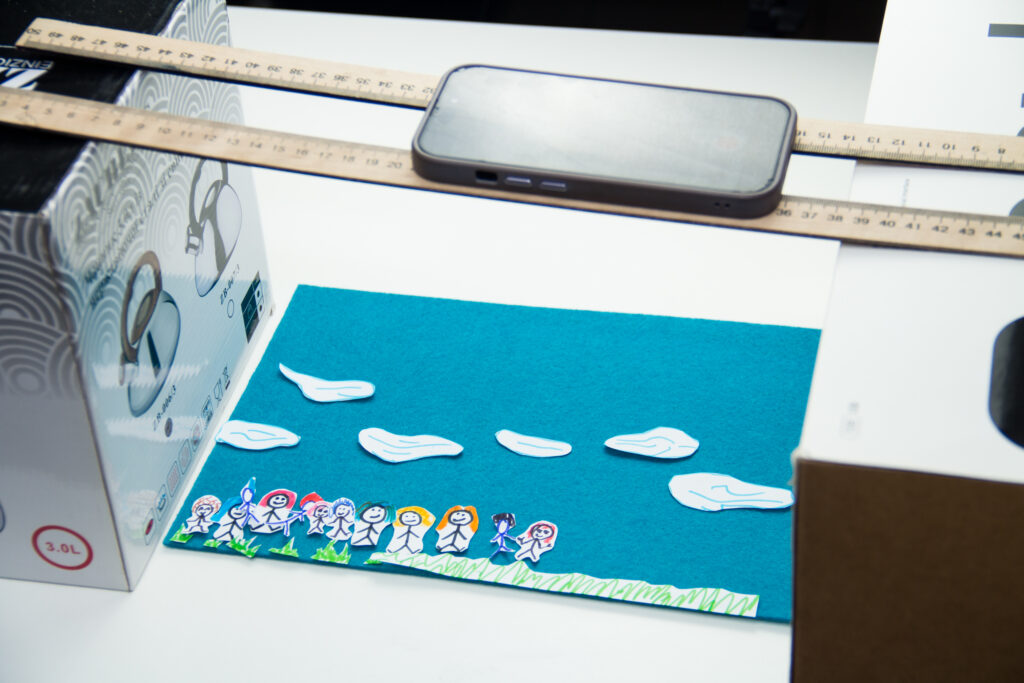
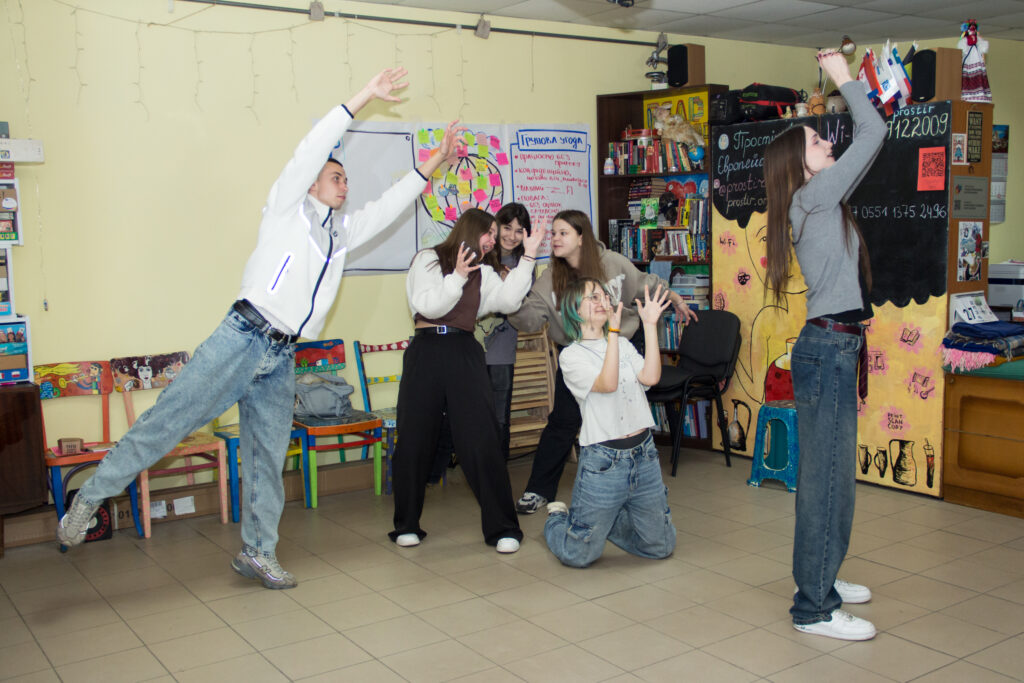
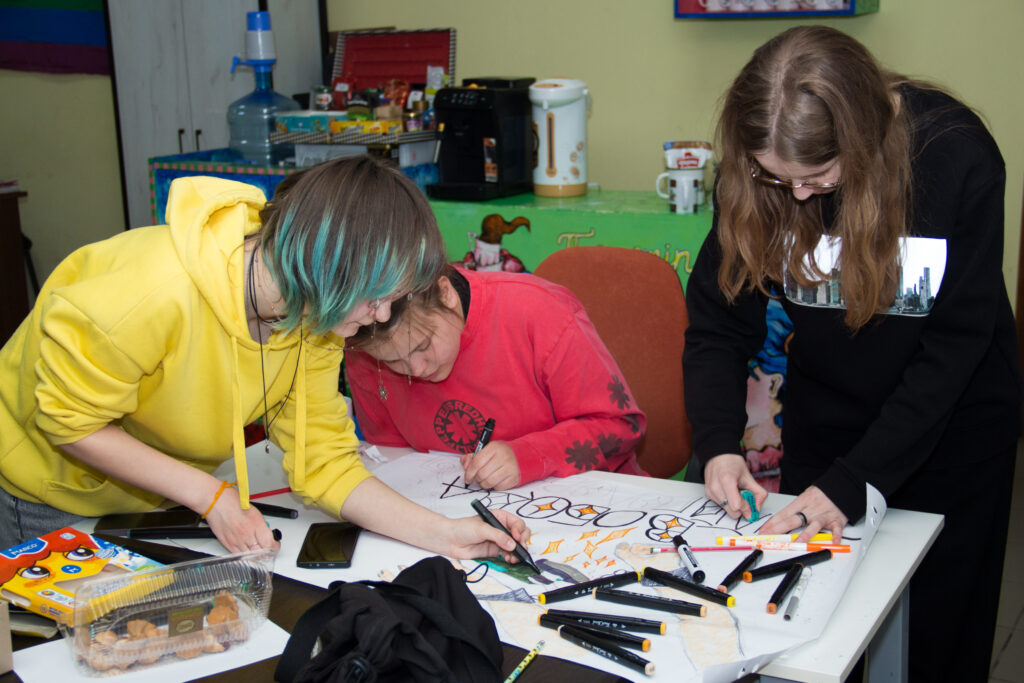
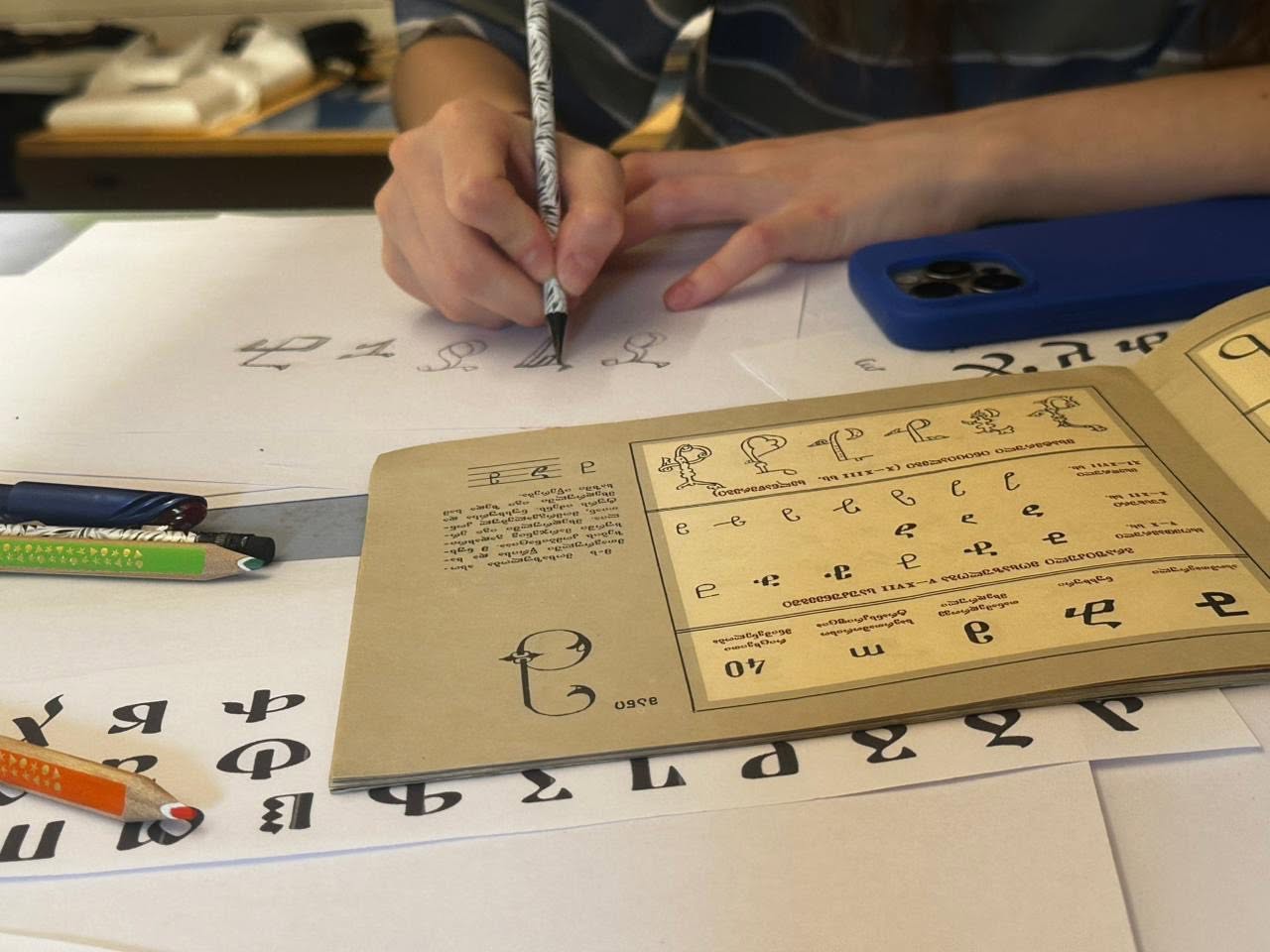
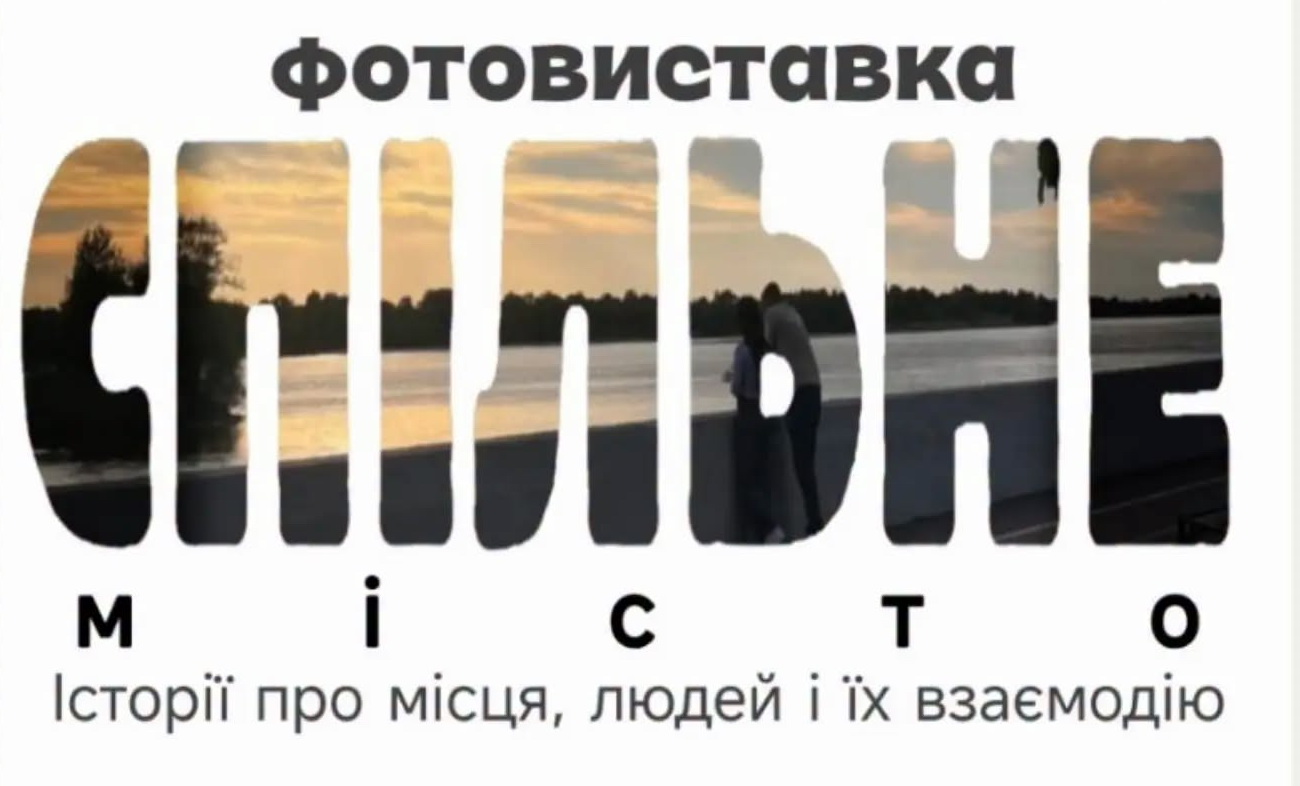
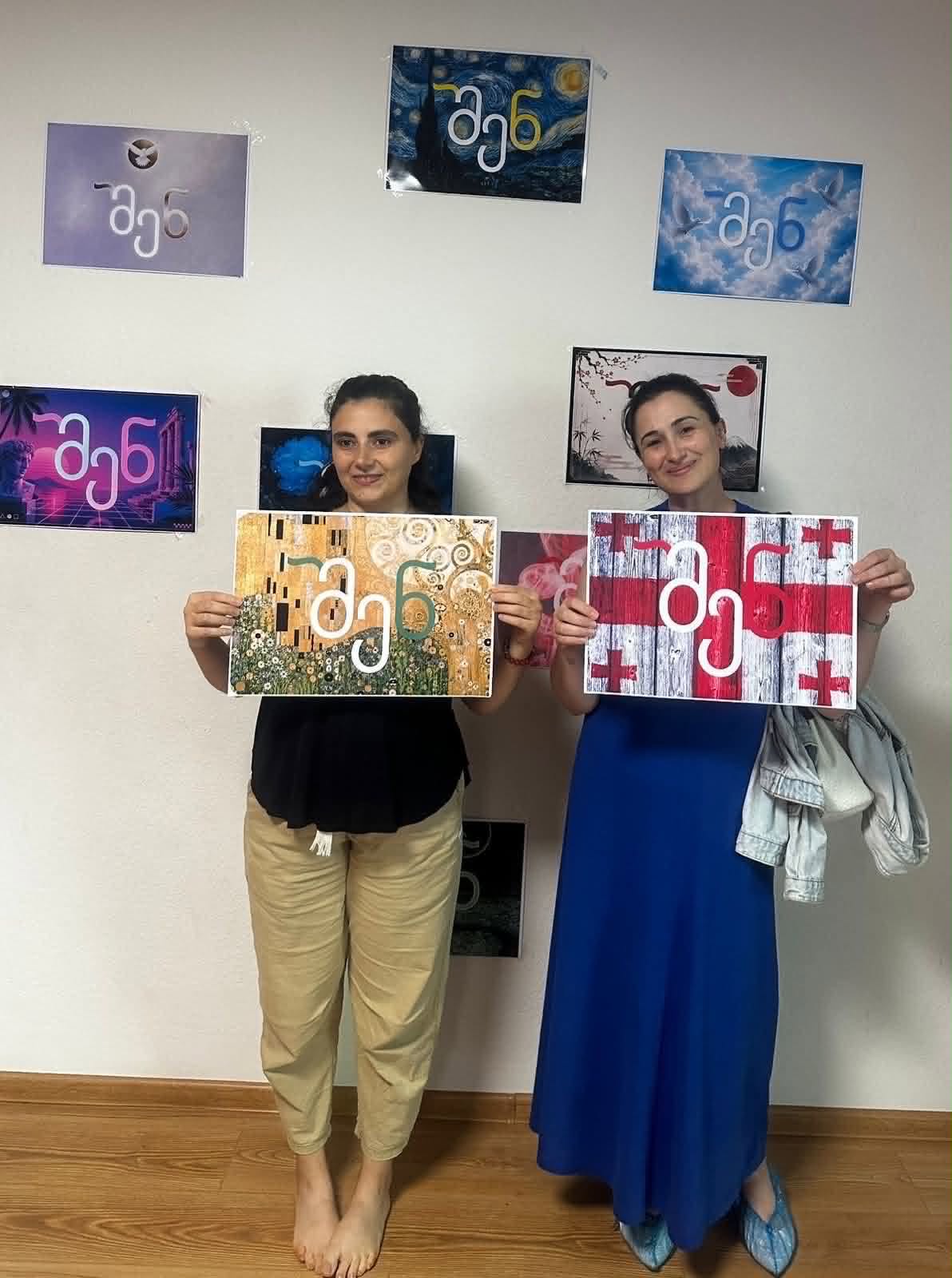
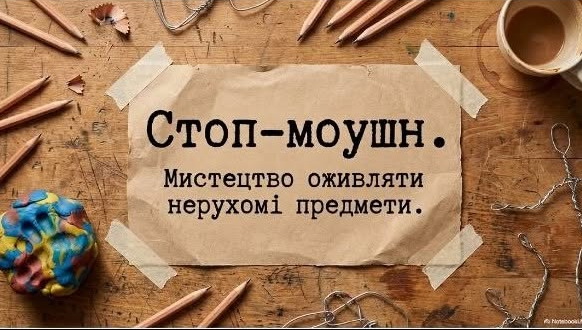
The Spring Art Labs were born from a simple but powerful idea: that non-formal education works best when it engages not just the mind, but the hands and imagination too. Each session tackled a different social theme — identity, diversity, freedom of expression, active citizenship, social change, cohesion — and paired it with a creative practice. Participants made collages, performed theatre, built stop-motion animations, went on photo walks through the city, and explored artivism as a way to speak up about things that matter.
The format was deliberately chosen to be something between a workshop and a research space — not a lecture, not a repetition of skills, but genuine exploration. Young people learned to think critically, work in teams, voice their opinions, and find creative ways to engage with the world around them, including the urban environment they live in every day.
For many participants, the labs became something more than an educational programme. They described gaining confidence, improving communication skills, making new friends, and feeling more ready to take part in community life. In a city where wartime conditions have limited opportunities for in-person connection, this kind of space — open, non-judgmental, creative — carried real weight.
By the final session, a tangible sense of community had formed. For the young people of Kremenchuk, Spring Art Labs turned out to be exactly what the name suggests: a place to grow, create, and find each other.
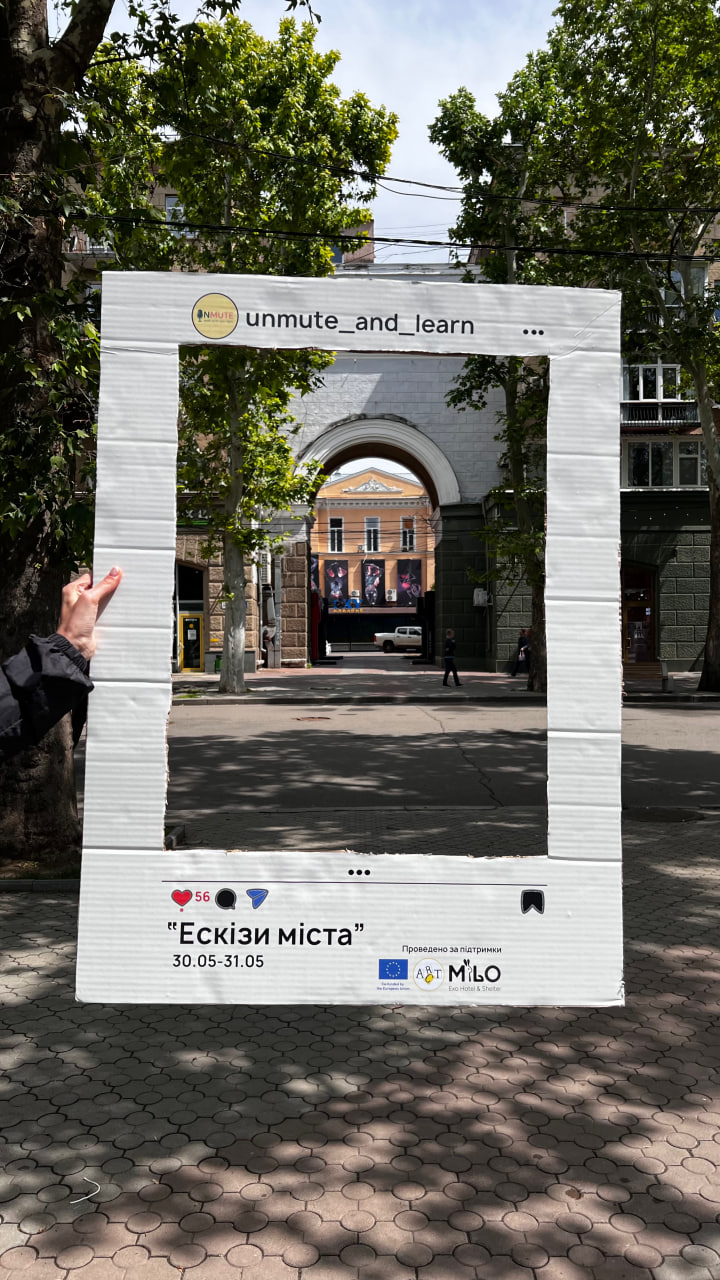
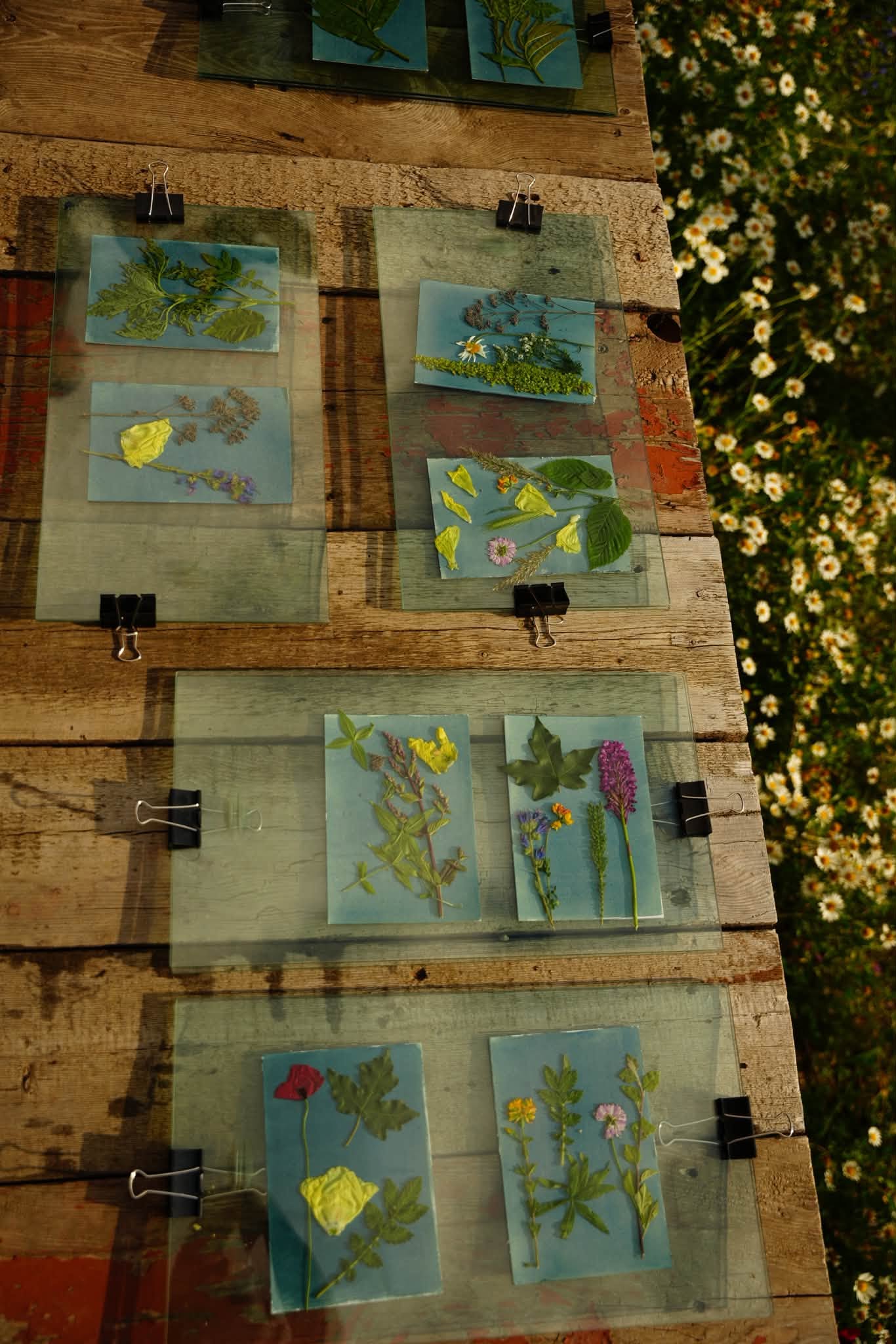
How can you feel the rhythm of a city and turn it into art? That’s the question UNMUTE set out to answer during two days