CivicArt Lab in Alicante: Art, Civic Engagement, and 26 Practitioners Ready to Act
In February 2026, Alicante, Spain became the meeting point for 26 youth workers, artists, educators, and artivists from Ukraine and Georgia. For five intensive days,
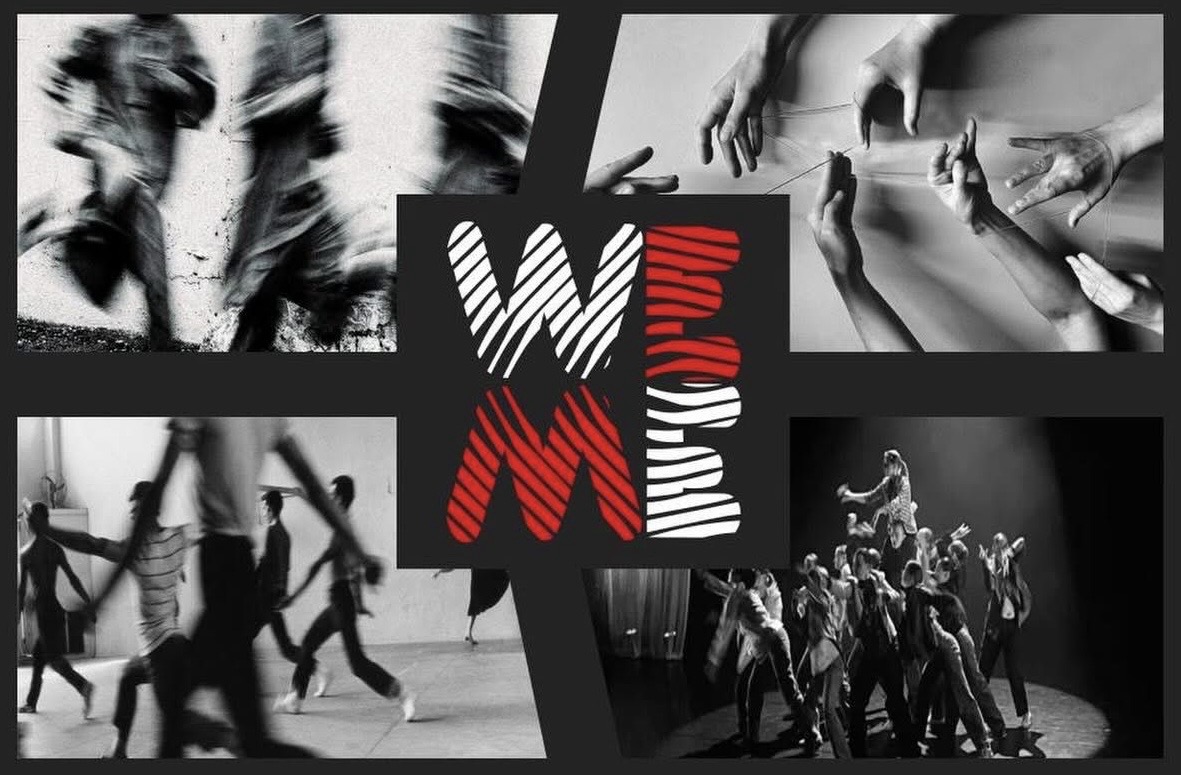
Local activities are being implemented in Ukraine and Georgia in the first half of 2026 as part of the CivicArt Lab follow-up activities.
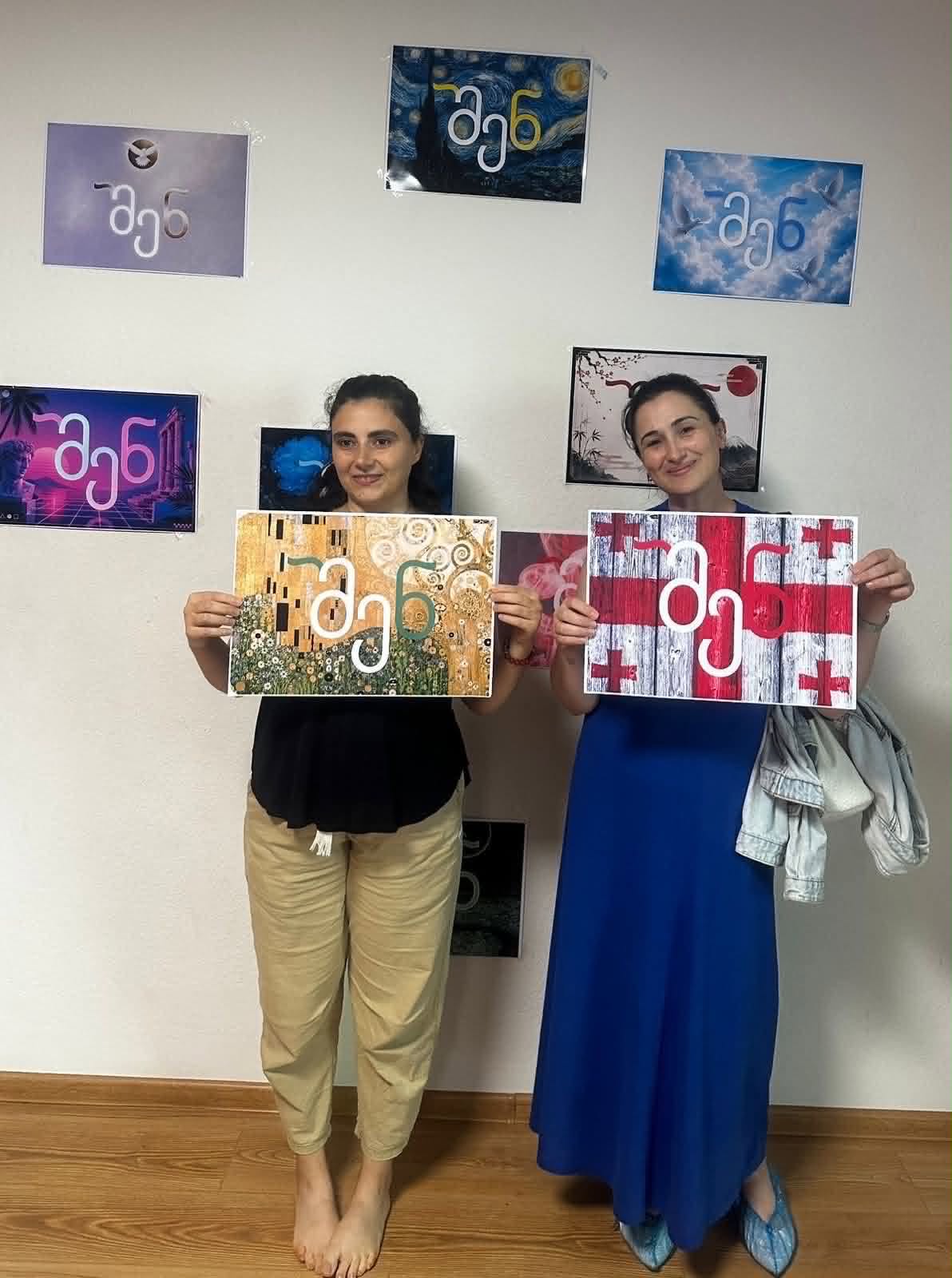
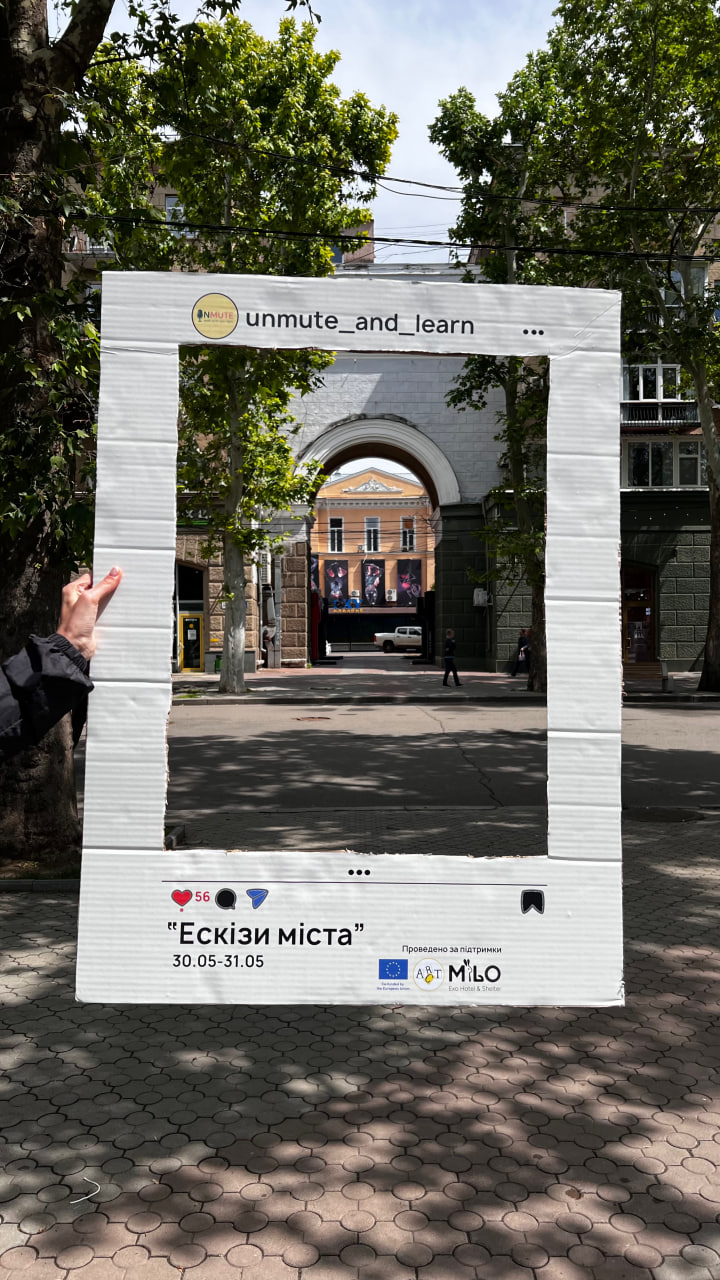
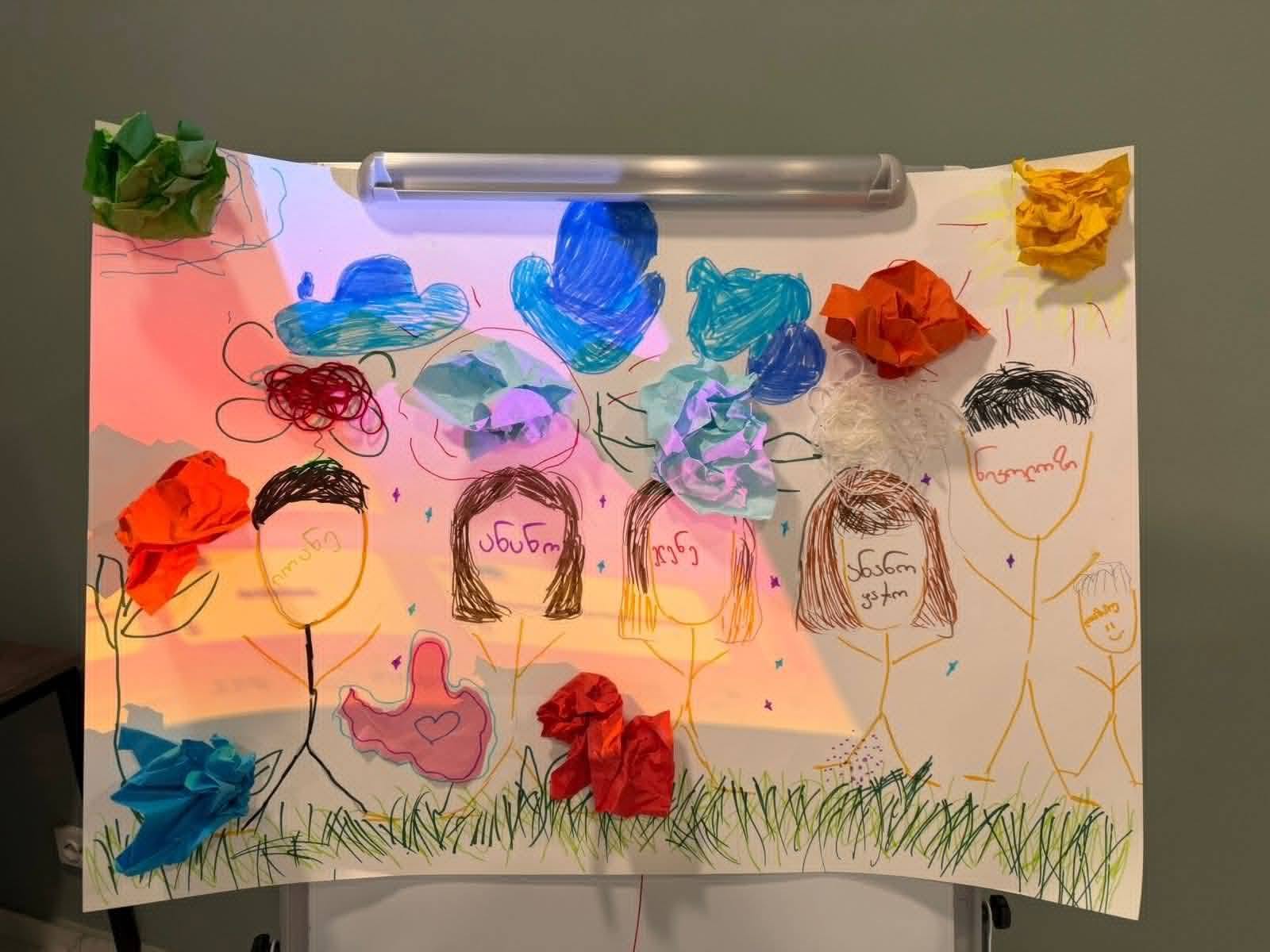
Participants of the study visit and training course are applying the concepts, skills, and knowledge gained during the training in their own communities. The local activities focus on the theme of Togetherness and use art-based methods to engage young people in reflection on civic issues, human rights, democratic values, participation, and community life.
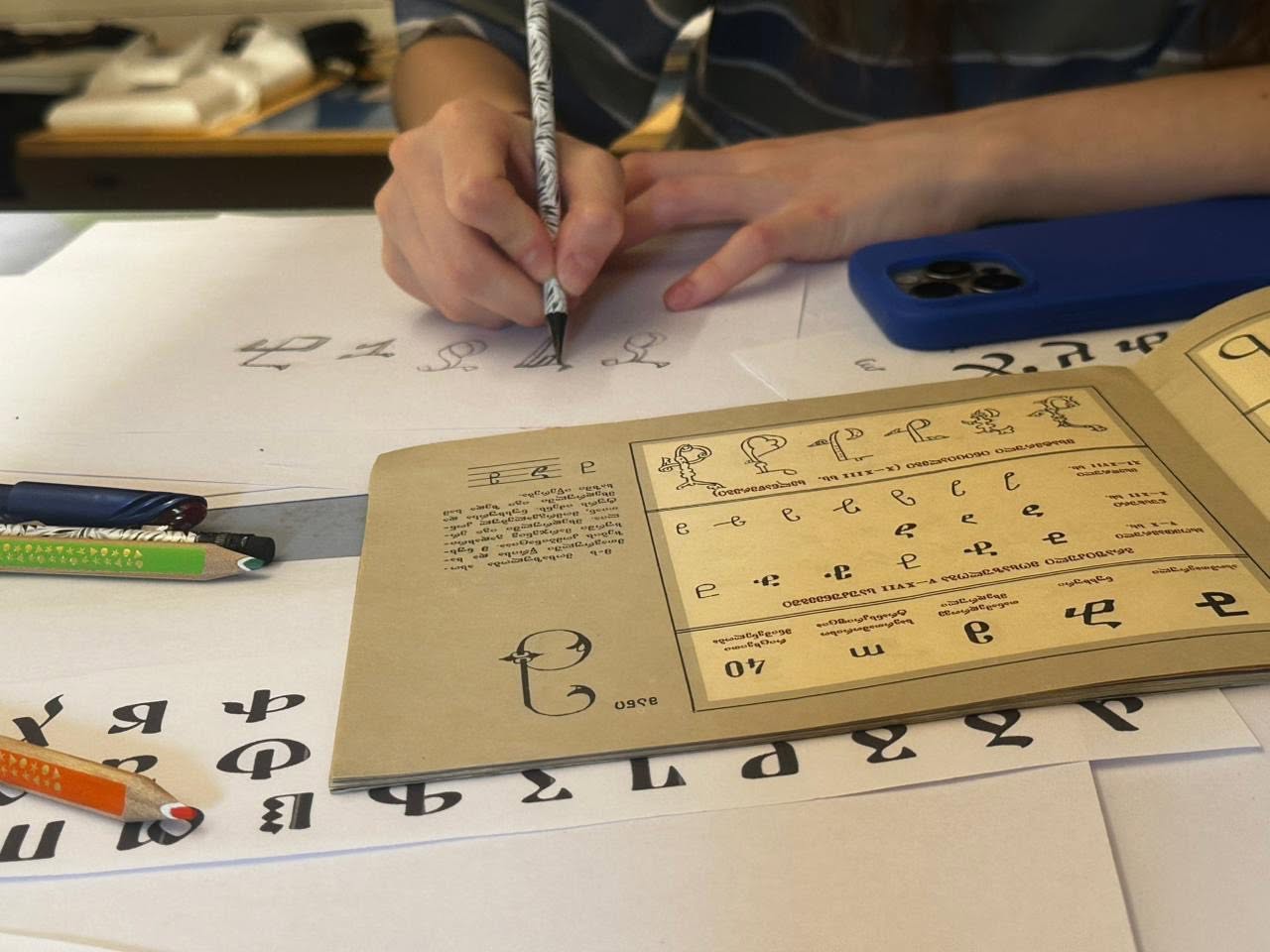
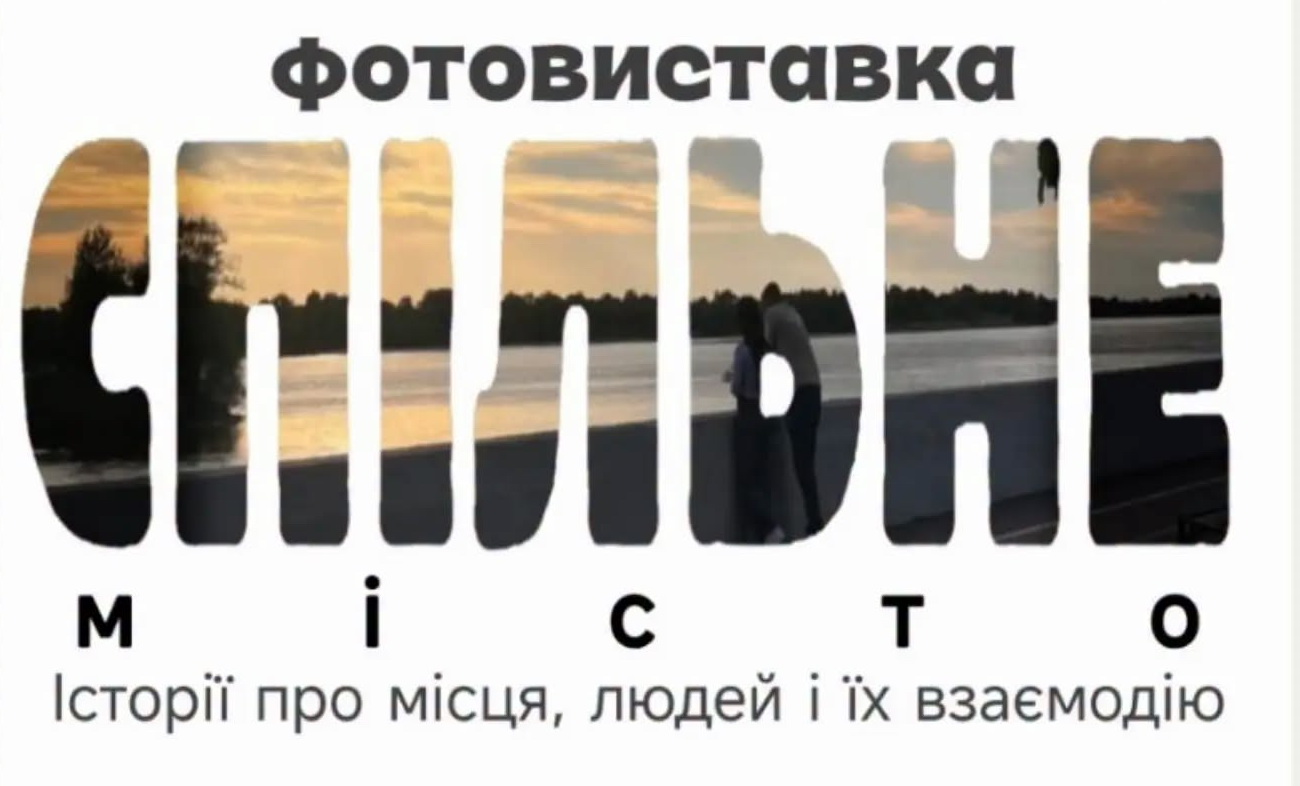
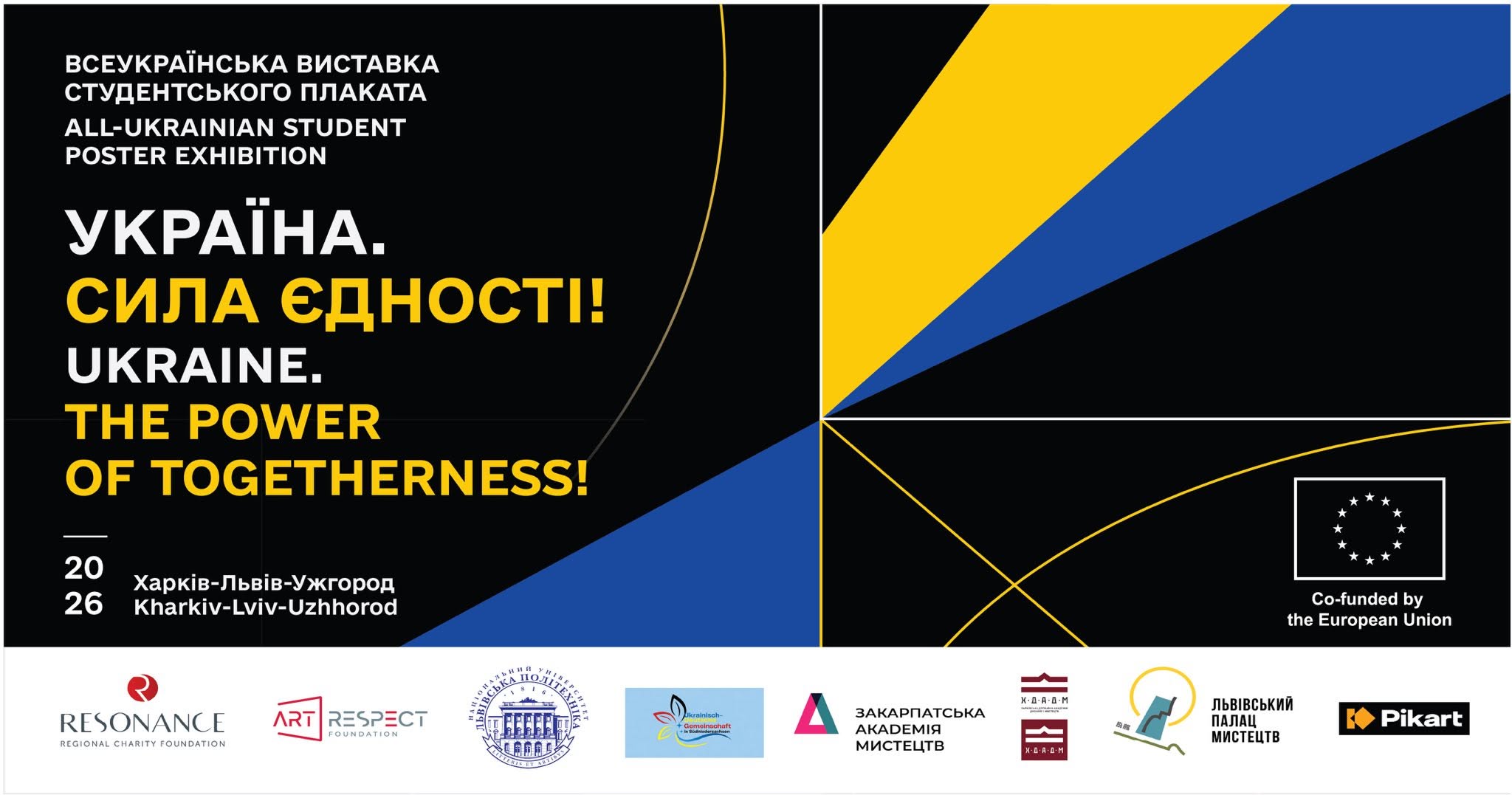
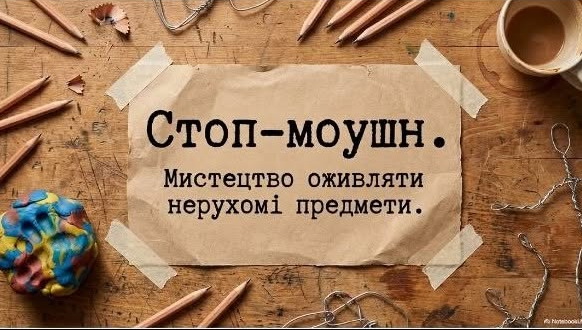
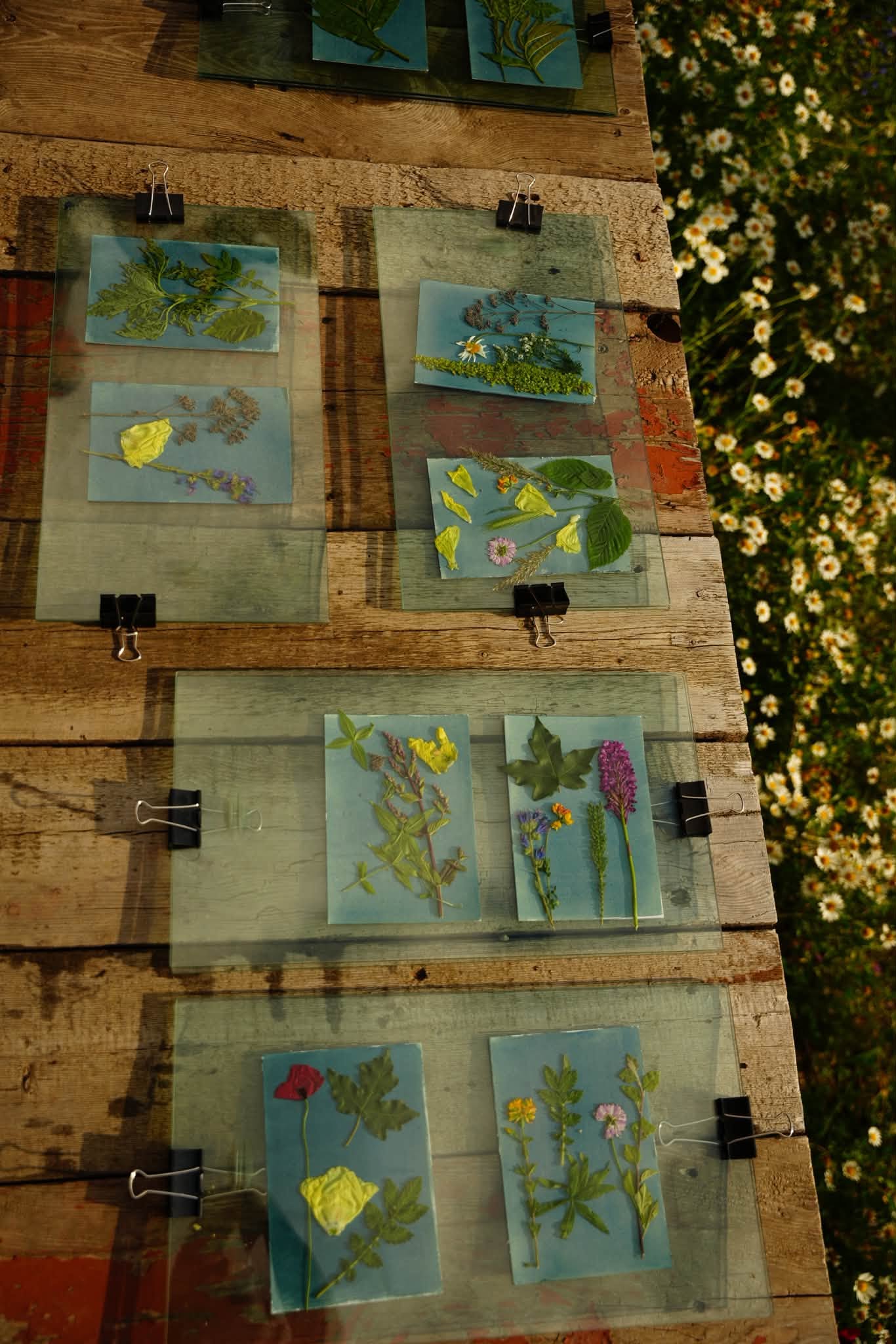
The activities include educational and creative events, student poster initiatives, collaborative artistic processes, workshops, public presentations, and digital storytelling activities. Young people explore civic topics through different forms of artistic expression, including visual art, poster design, photography, stop-motion video, short video reports, and other forms of digital and community-based artistic content.
Some activities are organised as multi-day educational and creative events, combining discussions, practical workshops, artistic experimentation, and public sharing of results. Others focus on student poster creation, collaborative art initiatives, or local community actions that connect artistic practice with civic education.
The local activities also contribute to the CivicArt social media campaign. Participants document their activities and create digital artistic content that is shared through the project’s Instagram and Facebook channels, helping to disseminate the results and make the local initiatives visible to a wider audience.
The organisers of the local activities receive mentoring support and partial coverage of expenses.
In February 2026, Alicante, Spain became the meeting point for 26 youth workers, artists, educators, and artivists from Ukraine and Georgia. For five intensive days,

The CivicArt project has published its first academic materials presenting experience and methodology of using art in youth civic education.

We are excited to release the CivicArt Methodology Guide — a practical, hands-on companion for youth workers, educators, artists and activists who connect civic learning

On September 12–13, 2025, the consortium partners gathered in Alicante, Spain, for an interim steering committee meeting. Representatives from Ukraine, Georgia, Germany, and Spain came

The CivicArt team has prepared a collection of good practices in artivism, which we invite you to explore in the CivicArt Library.

This block of activities is aimed at raising awareness of the role of art and artivism in the development of civic education, demonstrating successful examples of artivism, and inspiring the use of project products.

The meeting will be aimed at formalizing the international CivicArt Alliance network. The event brings together representatives of the Consortium and their partners, including representatives of formal education institutions, artists, and youth NGOs that participated in the project activities. The total number of participants is 20 persons.

Local activities are scheduled for the first half of 2026. Participants of the study visit and training course will have the opportunity to practice the newly developed competencies in their communities.

Estimated timeframe – April-June 2026. The campaign is part of the follow-up training activities. Participants will be invited to create digital artistic content that contains an educational component.

The estimated date of the training is February 2026. The call for participants will be announced in October 2025. The training will aim to strengthen the capacity of youth workers from Ukraine and Georgia to implement non-formal civic education activities through artistic tools.
Co-funded by the European Union. Views and opinions expressed are however those of the author(s) only and do not necessarily reflect those of the European Union or the European Education and Culture Executive Agency. Neither the European Union nor the granting authority can be held responsible for them.
Accessibility
visibility_offDisable flashes
titleMark headings
settingsBackground Color
zoom_outZoom out
zoom_inZoom in
remove_circle_outlineDecrease font
add_circle_outlineIncrease font
spellcheckReadable font
brightness_highBright contrast
brightness_lowDark contrast
format_underlinedUnderline links
font_downloadMark links