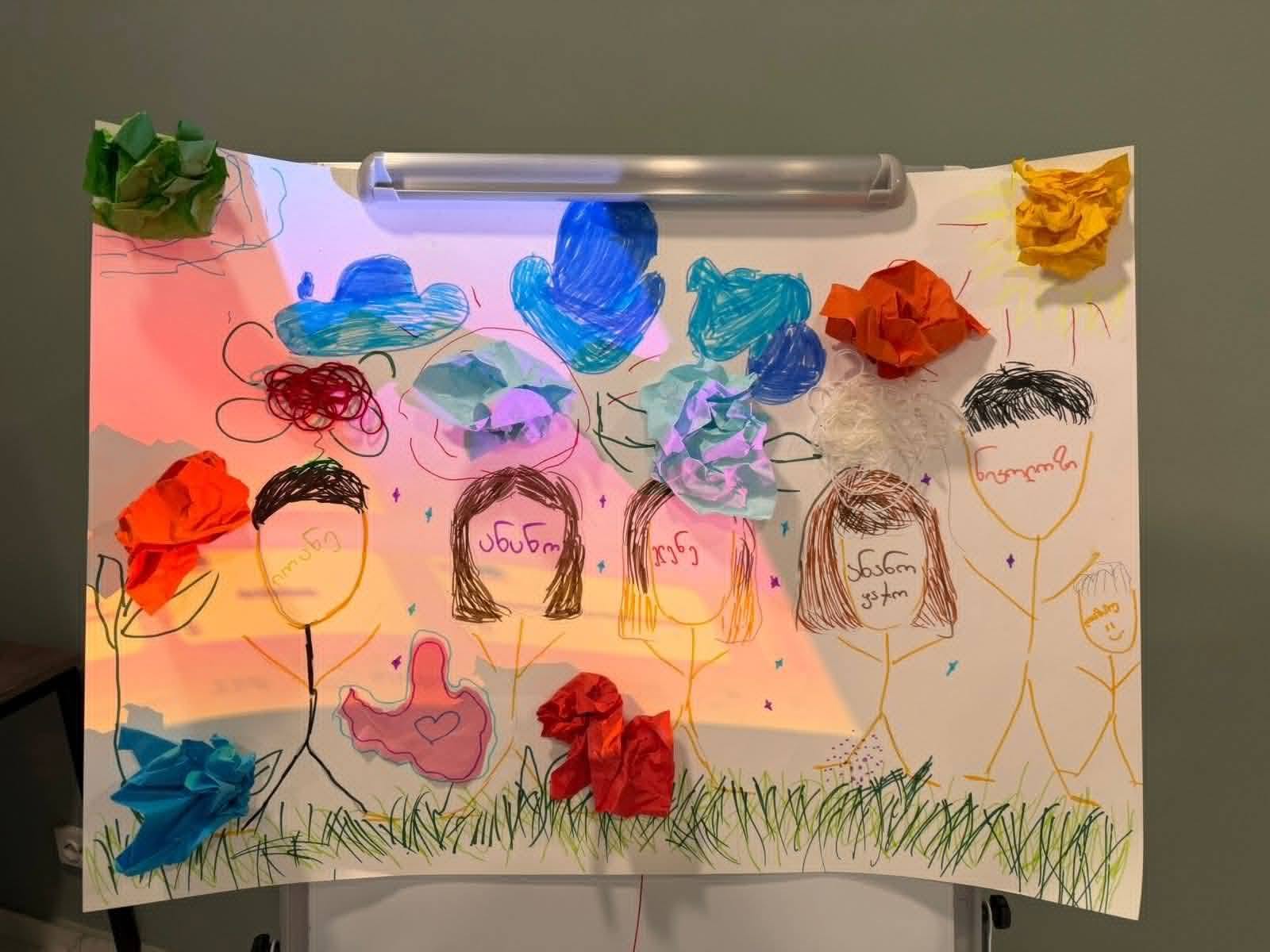



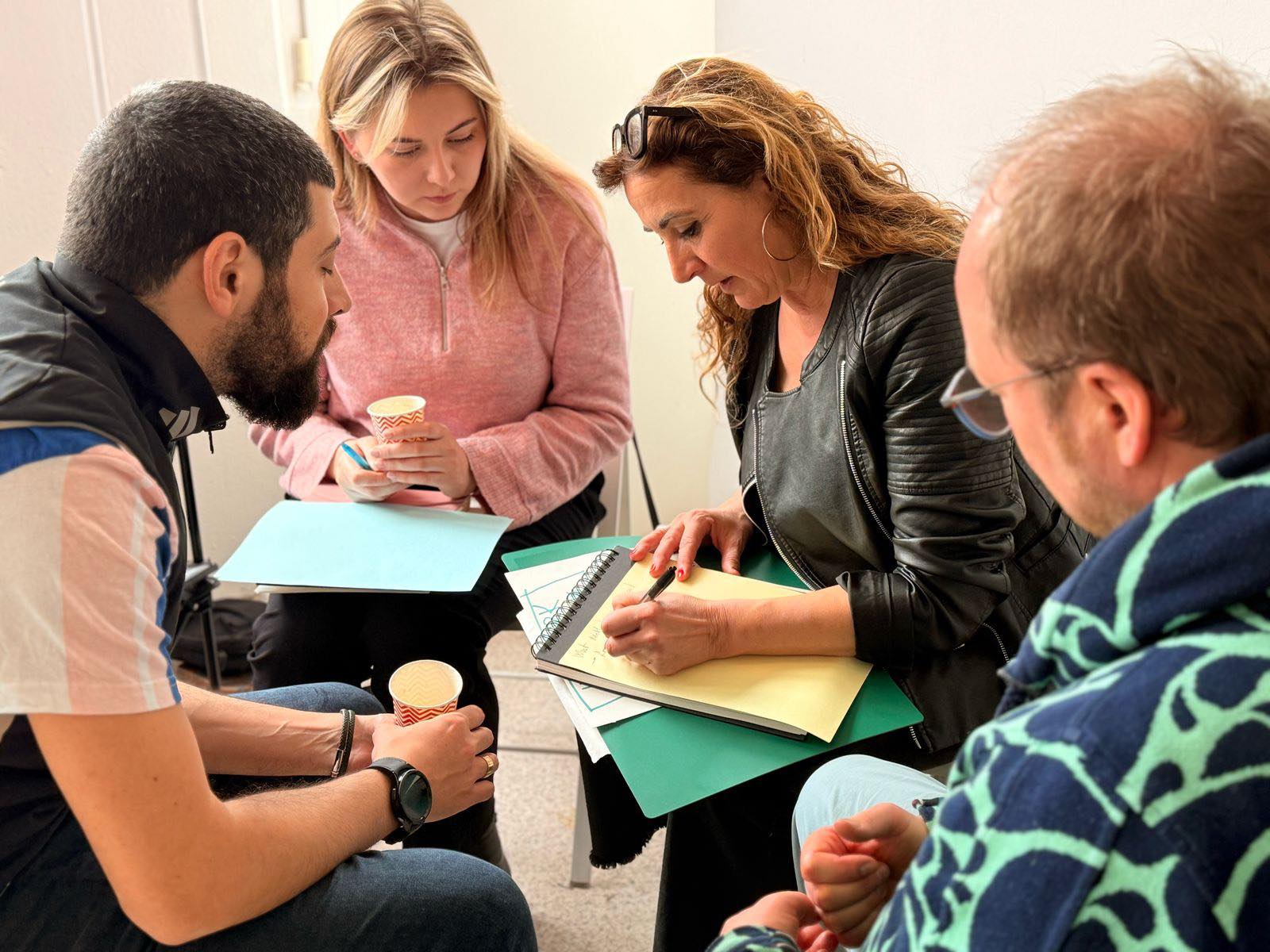
As part of the CivicArt Project, a group of 12 youth workers from Ukraine and Georgia embarked on an enriching study visit to Berlin, Germany, to explore the practical experience of German colleagues in organizing and coordinating art-based civic education activities.
The visit, which took place on March 25th-31st, focused on raising awareness about the integration of artivism and civic education, offering participants hands-on experience with existing projects that use art as a tool for social change. During the visit, participants engaged with local practitioners, observed their work, and gathered valuable insights into how similar initiatives could be implemented in their home countries.
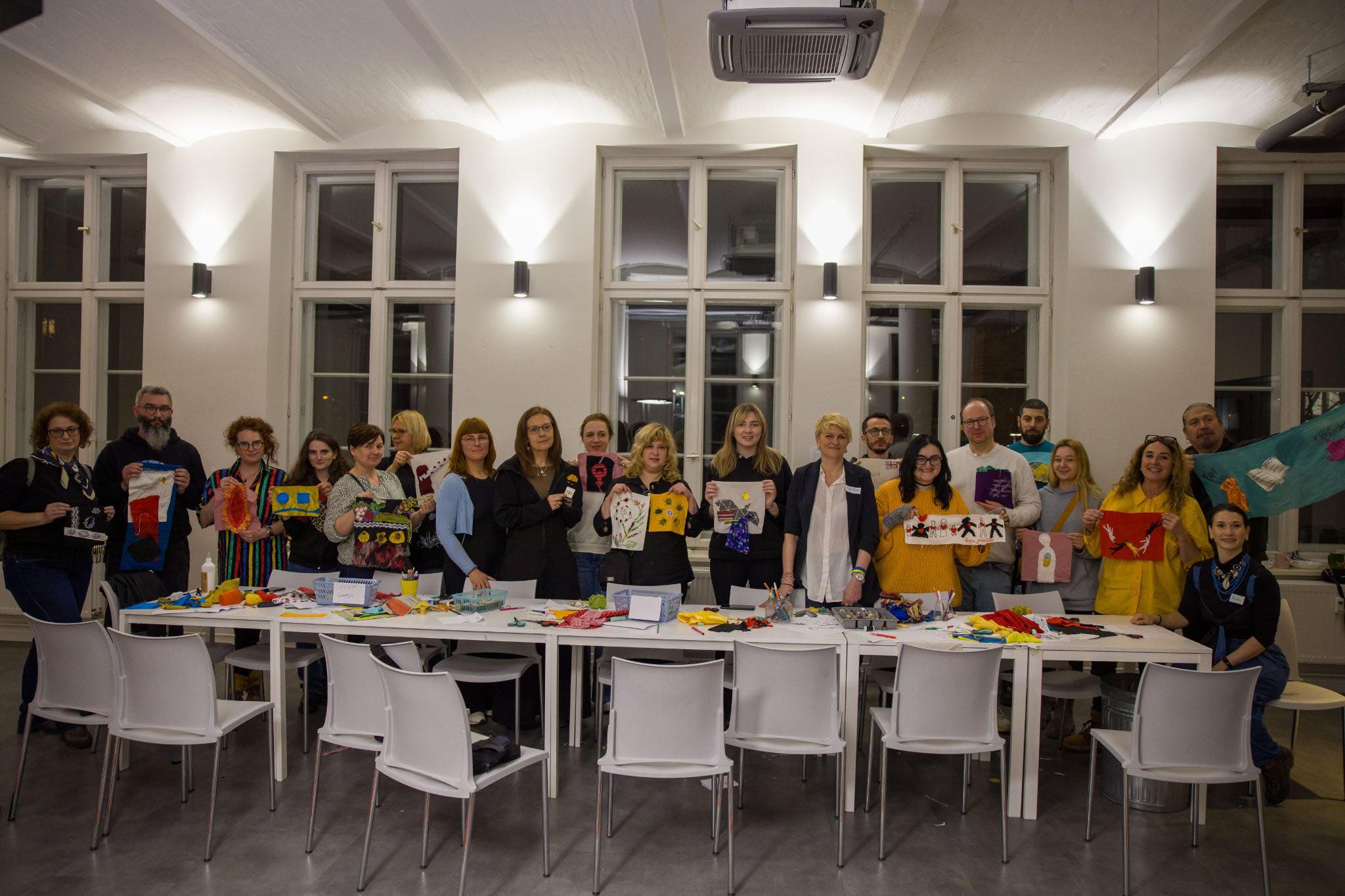
Key Meetings:
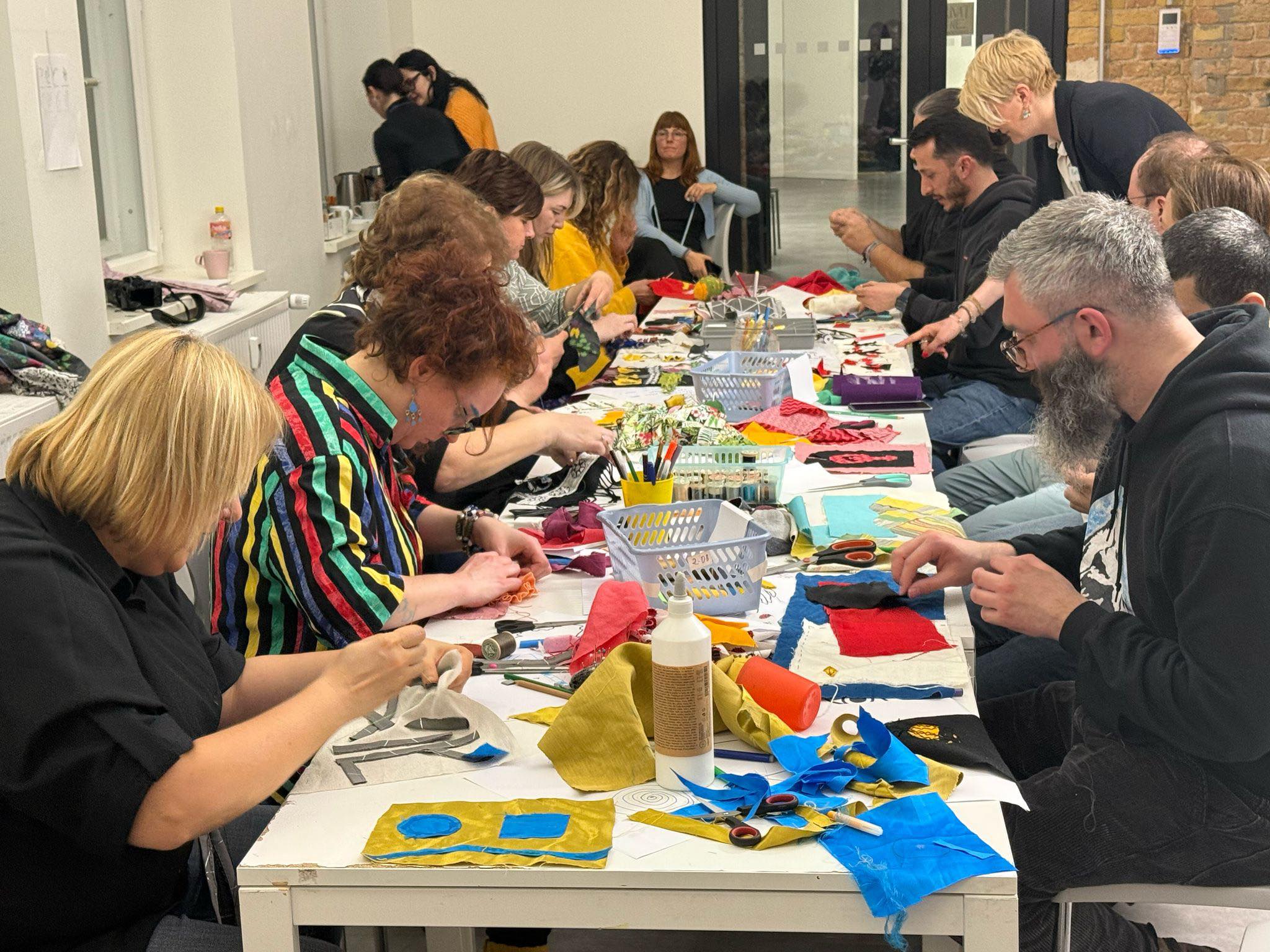
Throughout the study visit, participants also engaged in debrief sessions and reflection activities, documenting key learnings to inform the upcoming tasks of the project. Discussions were held to prepare for a Collection of practices for civic education through art. The insights gained will contribute to the development of a methodology guide, local activities in Ukraine and Georgia, and further video production to document the experiences.
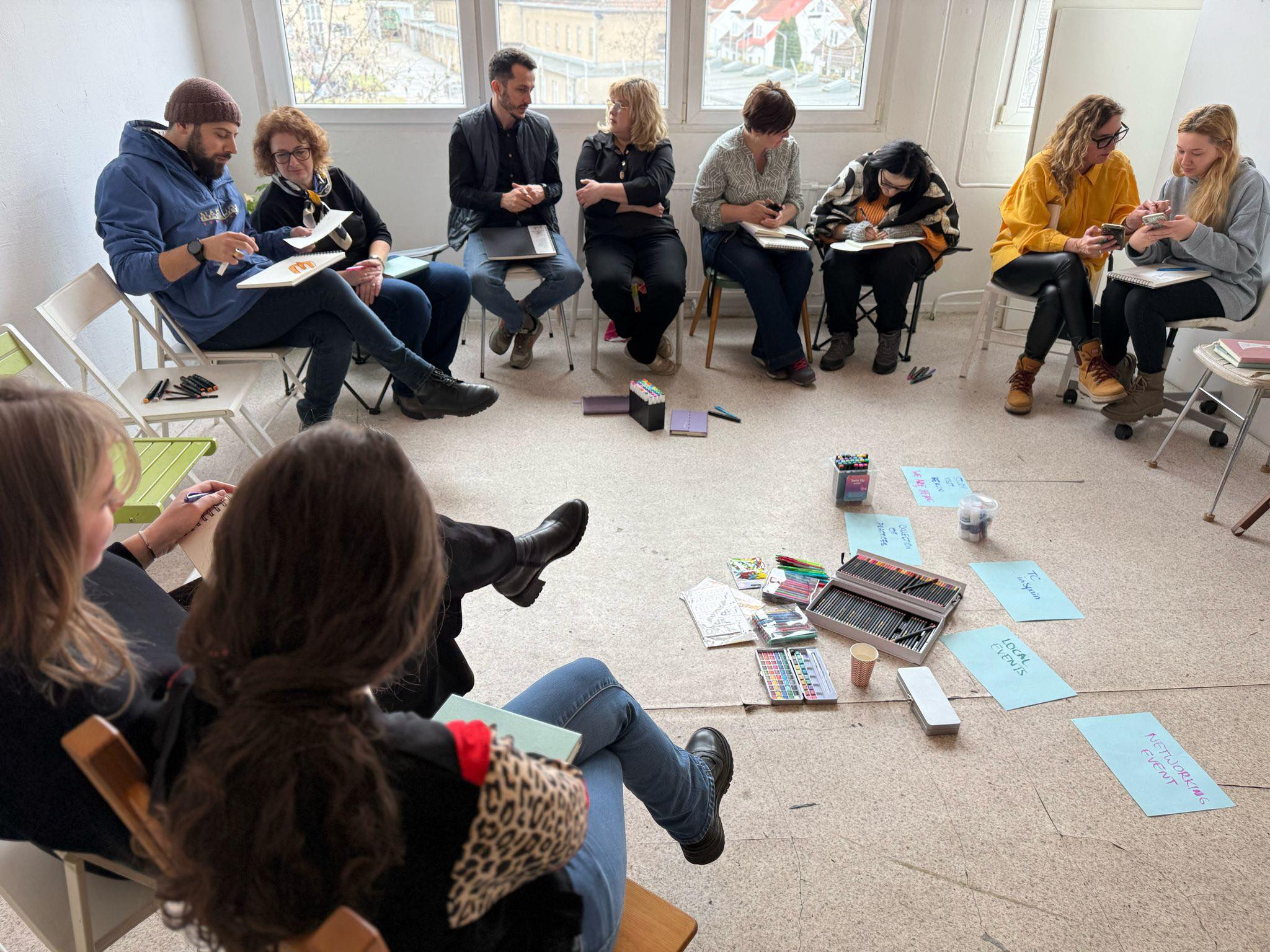
The visit to Berlin provided a valuable opportunity for Ukrainian and Georgian partners to collaborate with their German counterparts, exchange ideas, and gain new perspectives to enhance the effectiveness of their initiatives.
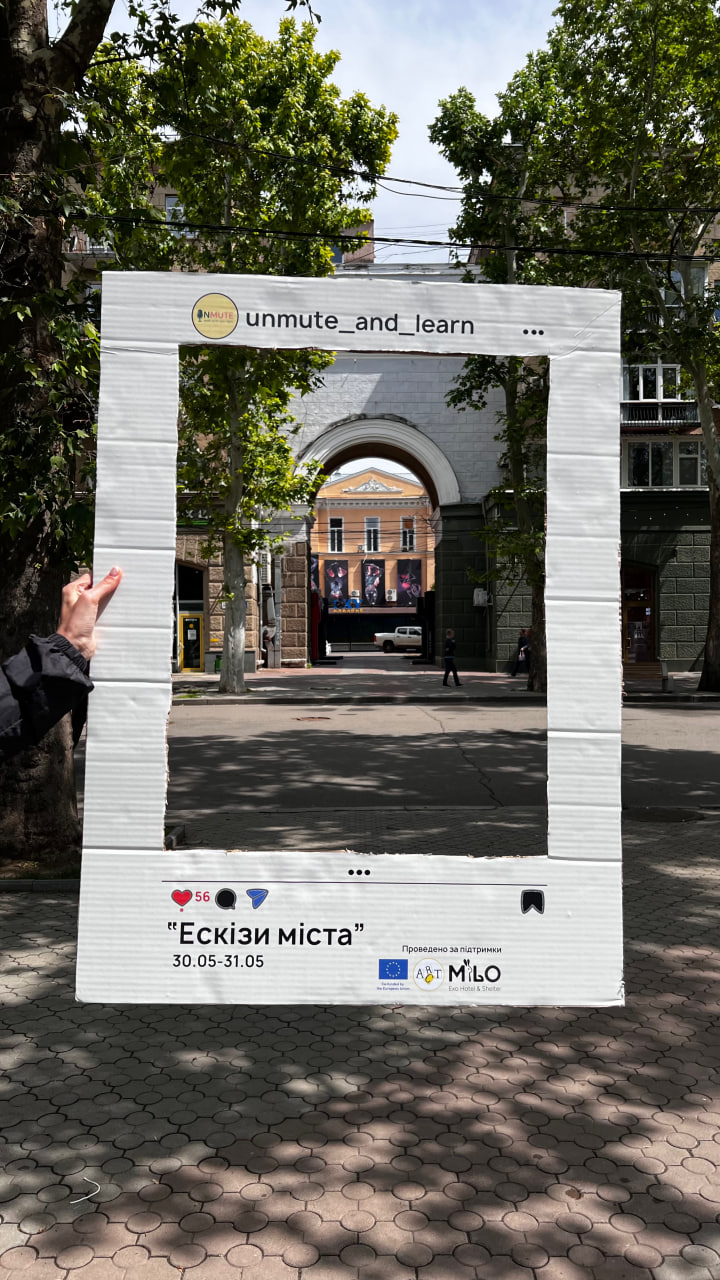
How can you feel the rhythm of a city and turn it into art? That’s the question UNMUTE set out to answer during two days