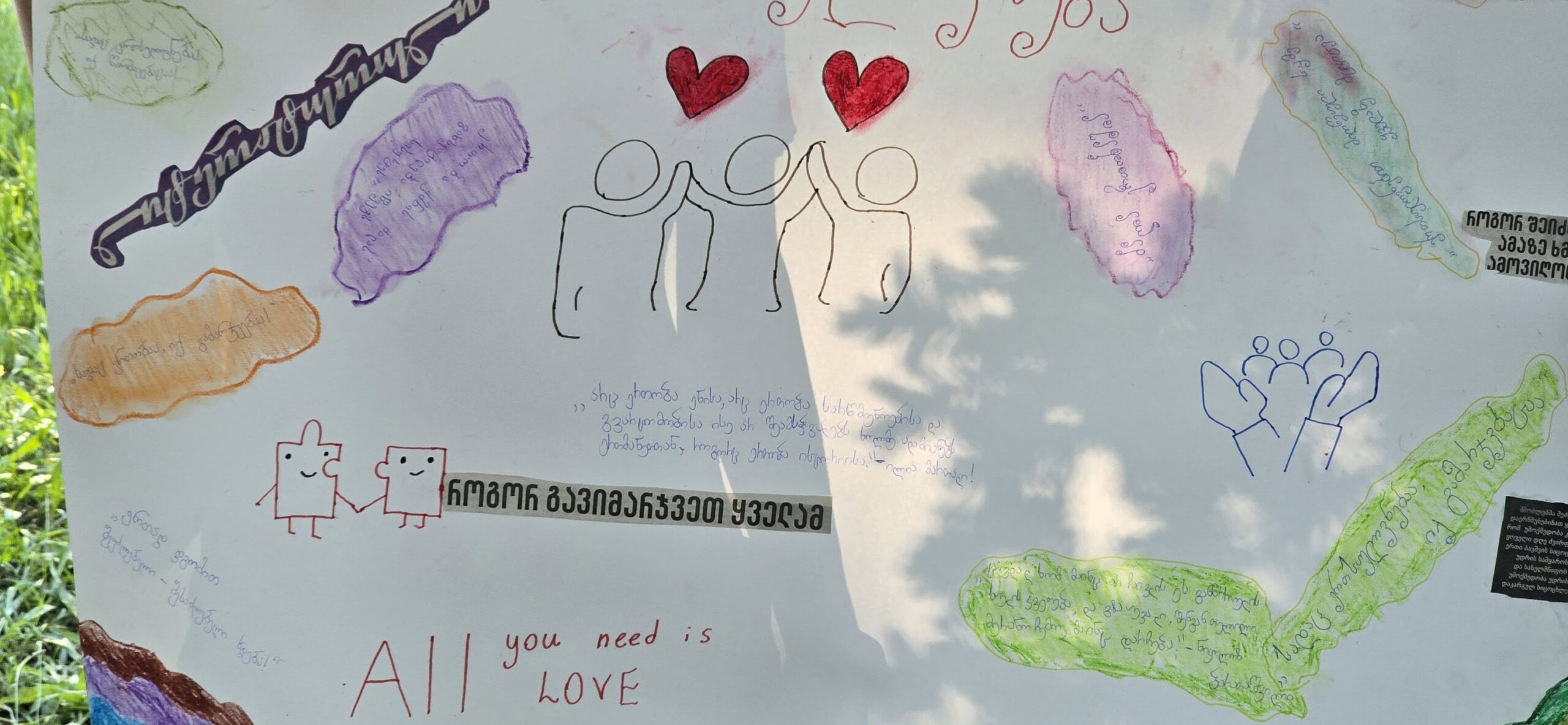
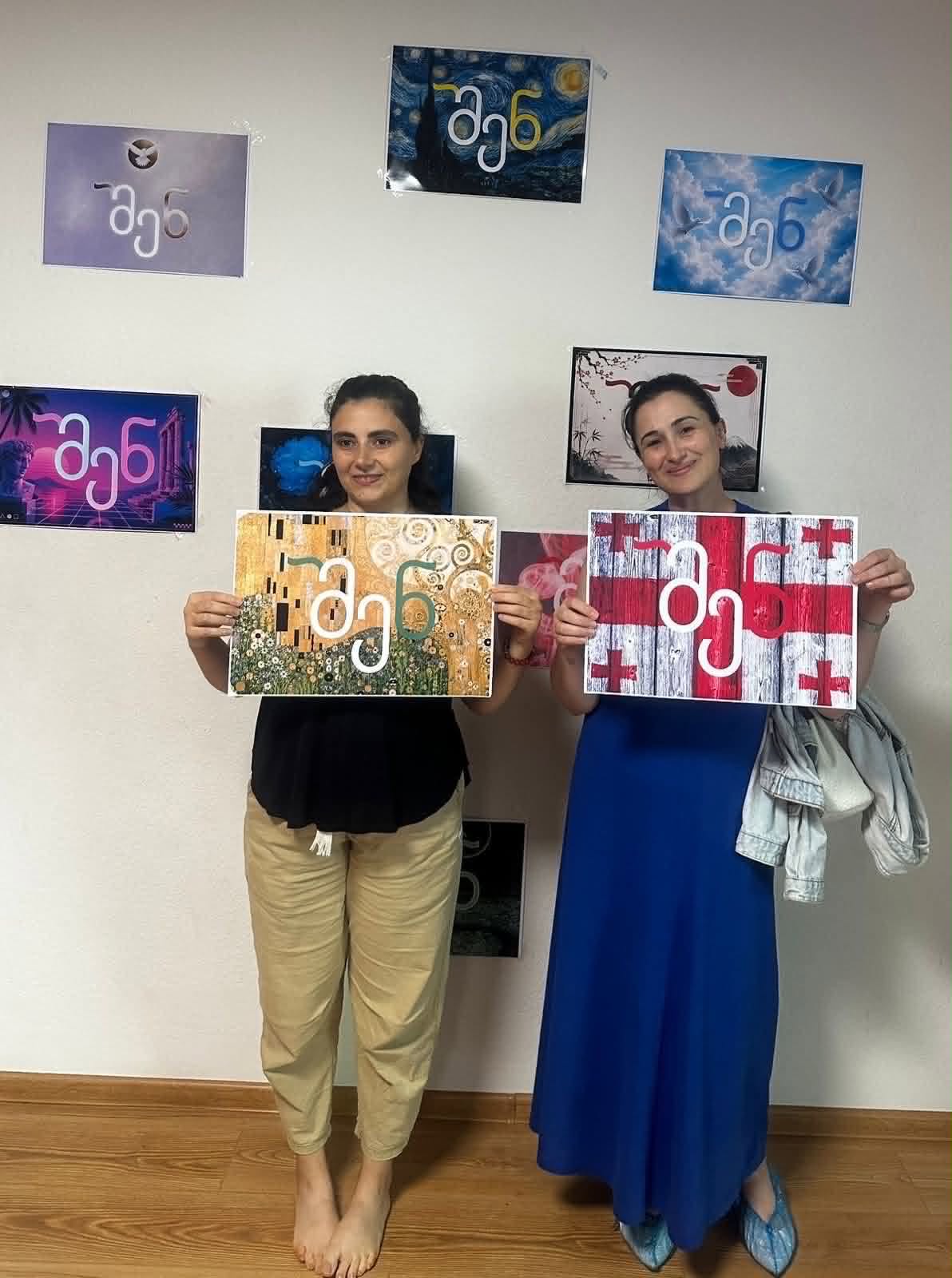
The CivicArt Alliance welcomes individuals and organisations interested in using art and creativity to promote civic education, democratic participation, and community engagement.
Established within the international Erasmus+ project CivicArt, the Alliance brings together artists, youth workers, educators, cultural practitioners, and civil society representatives who share a commitment to civic education through art.
Membership is voluntary and open to project participants, people and organisations from their professional and personal networks, as well as other individuals and organisations that share the Alliance’s values and objectives.
How to join the Alliance
According to the CivicArt Alliance Founding Declaration and Statute, prospective members can join through two pathways:
- Nomination by an existing member — a current Alliance member or member organisation may recommend a new candidate.
- Self-application — interested individuals or organisations may apply independently.
To apply for membership, please complete the CivicArt Alliance online application form.
Membership applications and nominations are reviewed twice a year during the Alliance’s Monthly Operational Online Meetings (MOOMs). Applications are discussed by the members present, and admission decisions are made by consensus.
What happens after admission?
New members participate in an introductory onboarding process that includes an overview of the Alliance’s mission, structure, and Code of Conduct, access to shared resources and communication channels, and initial guidance on operational procedures.
Members have equal voting rights from the beginning of their membership and can participate in Alliance activities, training opportunities, communication, and working groups.
What is expected of members?
CivicArt Alliance members are encouraged to contribute actively to the Network by:
- Organising or supporting at least one CivicArt activity per year in their community.
- Sharing experience, educational materials, and good practices with other members.
- Promoting civic education through artistic and cultural approaches.
- Helping expand the Network by connecting with other interested individuals and organisations.
- Respecting the Alliance’s values, principles of cooperation, and Code of Conduct.
The Alliance provides a space for international collaboration, peer learning, exchange of experiences, and joint initiatives that connect artistic practice with civic engagement.
Interested in becoming part of the CivicArt Alliance?
Explore the CivicArt Alliance Founding Declaration and Statute to learn more about membership conditions, rights and responsibilities, and the admission procedure.
Apply to Join the CivicArt Alliance